RECENTLY VIEWED
Skip to main content

DK Hardware Professional Tax Exempt? Net 30? - DK Net Terms
Roll over image to zoom in
Product Features
Product Overview
Related Videos
Reviews
Questions & Answers
See reviewsSee reviews
30 Days Easy Return. We are the largest supplier of the most adaptable, personalized hardware in the industry. We work hard to ensure you're satisfied with our products.
WARNING: This Product May Contain Chemicals Known to the State of California to Cause Cancer or Reproductive Harm. To Learn More Visit P65Warnings.ca.gov
Features
Shape
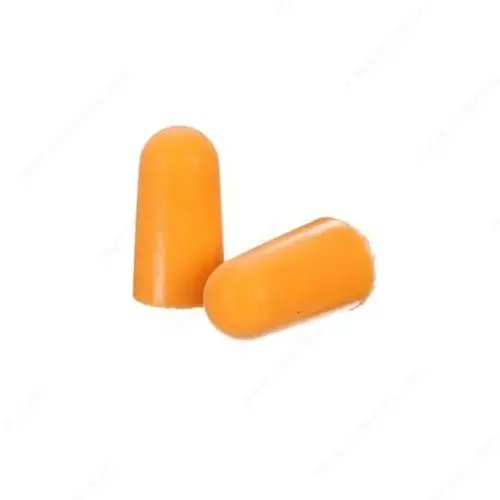
Tapered Shape
Material
Foam
Type
Foam Earplugs
NRR Rating
29 dB
Product Overview
Uncorded, 200 Pair/Case
3MTM Foam Earplugs 1100 feature soft, hypoallergenic foam and a tapered design to fit comfortably in the ear canal. The slow-recovery polyurethane foam conforms to the shape of the ear canal to help create a comfortable noise barrier.
These earplugs are test compatible with the 3MTM E-A-Rfit Validation System.
Advantages And Benefits
- Noise reduction rating (NRR*) of 29 dB, CSA Class AL
- Test compatible with 3MTM E-A-Rfit Validation System
- Compatible with the 3MTM E-A-RfitTM Validation System
- Dispenser packaging option available for uncorded earplugs
- CSA Class AL
- One size fits most
Application
Painting, welding, grinding, assembly, blasting, demolition, electrical, sanding, cleaning, final finish, paint preparation, facility maintenance, machine operation, composite finishing.
Disclaimer
*U.S. EPA specifies the NRR as the measure of hearing protector noise reduction. However, 3M makes no warranties as to the suitability of the NRR for this purpose. 3M strongly recommends personal fit testing of hearing protectors. Research suggests that users may receive less noise reduction than indicated by the attenuation label value(s) on the packaging due to variation in fit, fitting skill, and motivation of the user. Refer to applicable regulations or guidance on how to adjust attenuation label values. It is recommended that the NRR be reduced by 50% to better estimate typical protection
3MTM Foam Earplugs 1100 feature soft, hypoallergenic foam and a tapered design to fit comfortably in the ear canal. The slow-recovery polyurethane foam conforms to the shape of the ear canal to help create a comfortable noise barrier.
These earplugs are test compatible with the 3MTM E-A-Rfit Validation System.
Advantages And Benefits
- Noise reduction rating (NRR*) of 29 dB, CSA Class AL
- Test compatible with 3MTM E-A-Rfit Validation System
- Compatible with the 3MTM E-A-RfitTM Validation System
- Dispenser packaging option available for uncorded earplugs
- CSA Class AL
- One size fits most
Application
Painting, welding, grinding, assembly, blasting, demolition, electrical, sanding, cleaning, final finish, paint preparation, facility maintenance, machine operation, composite finishing.
Disclaimer
*U.S. EPA specifies the NRR as the measure of hearing protector noise reduction. However, 3M makes no warranties as to the suitability of the NRR for this purpose. 3M strongly recommends personal fit testing of hearing protectors. Research suggests that users may receive less noise reduction than indicated by the attenuation label value(s) on the packaging due to variation in fit, fitting skill, and motivation of the user. Refer to applicable regulations or guidance on how to adjust attenuation label values. It is recommended that the NRR be reduced by 50% to better estimate typical protection