RECENTLY VIEWED
Skip to main content
DK Hardware Professional Tax Exempt? Net 30? - DK Net Terms
Roll over image to zoom in
Product Features
Product Overview
Related Videos
Reviews
Questions & Answers
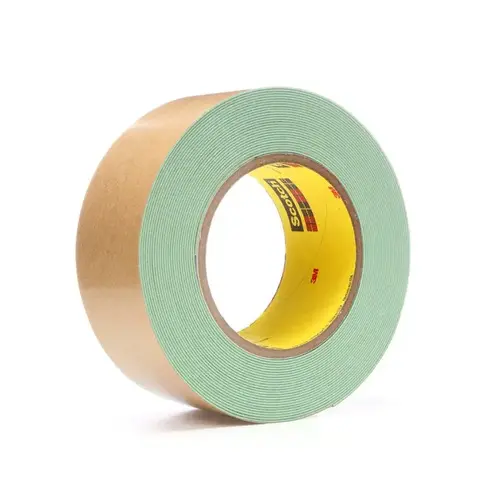
3M 60895 500 Series Impact Stripping Tape, 10 yd x 2 in, Green
Item #: 60895 by 3M
UPC #: 021200608957
Item Discontinued!See reviewsSee reviews
The item is currently out of stock and it may or may not be restocked
OUT OF STOCK
30 Days Easy Return. We are the largest supplier of the most adaptable, personalized hardware in the industry. We work hard to ensure you're satisfied with our products.
Features
- Green, durable backing protects against a variety of blasting media
- Greater visibility during removal due to green color
- Thinnest of the portfolio yet provides outstanding conformability
- Acrylic adhesive provides reliable bond to various surfaces
- Adhesive helps ensure clean, one-piece removal without residue
- Easy release paper liner makes for efficient die cutting
Adhesion Strength
1.5625 lb/in
Width (in)
2
Part no.
60895
MFR Model
60895
Length (yd)
10
Backing Material
Rubber
Color/Finish
Green
Series
500
Thickness
33 mil
Length
360"
Pull Length
2"
Color
Green
Adhesive Presence
Single-Sided
Types
Type 1
Width
2"
Alternative UPC
70006091634
Product Overview
3M™ impact stripping tape 500 features a green, rubber backed tape with a paper liner. It has a specially formulated, backing that withstands impact against common blasting media such as aluminum oxide, steel shot, glass bead and plastic. This tape is the thinnest of the portfolio yet provides outstanding conformability. We made our 3M™ impact stripping tape 500 to cut easily, smoothly and cleanly, making it an optimal tape for masking fine details or creating small lettering. The paper release liner is coated with a silicone film for easy removal commonly sought for die cutting applications. With its stand out color and thick backing, the tape leaves highly visible cut lines. The tape's acrylic adhesive provides a strong bond on many surfaces including metal, glass, wood and many plastics and has a temperature range from 40 to 120 deg F/4 to 49 deg C. The adhesive, along with the rubber backing provide clean, one-piece removal with minimal clean up. Our 3M™ impact stripping tape 500 is available in a wide variety of widths to suit your specific applications.
3M 500 green impact stripping tape comes in a 2 in width, 10 yd length, uses an acrylic adhesive and is packaged 6 per case. This product is a single-sided adhesive impact stripping tape. When purchasing this product, consider the thickness. The variances in thickness often make an important difference in proper performance. This impact stripping tape has a 33 mil thickness. The National Stock Number (NSN) for this product is 9390-01-359-7368. This impact stripping tape meets the following standards: ASTM D 3330, ASTM D 3652, ASTM D 3759.
Specifications:
Specification parameters description:
Adhesion Strength:
Adhesion strength is how effective the bond is between the adhesive and the substrate. Adhesion strength varies depending on the substrate and is typically expressed in pounds per inch or ounces per inch. Adhesion strength is an important factor in determining when an adhesive will no longer produce an effective bond.
Adhesive Material:
Tape is commonly made of a backing material and an adhesive material. Adhesive material is the sticky portion of the tape that forms a bond when applied to a substrate. A wide range of adhesive materials are used for varying applications. To form an effective bond, rugged and contoured substrates require different adhesive materials than smooth, even surfaces. Choose adhesive material based on surface material, indoor or outdoor use, and surface quality.
Backing Material:
Tape is commonly made of a backing material and an adhesive material. Backing material is what holds the adhesive and is the portion of tape exposed to the environment when applied to a surface. Also known as carrier material, it is available in a range of materials for varying applications. For light-duty applications like office and packaging, backing materials are often made of paper for easy tearing. For tough, outdoor applications like aerospace or marine, heavy-duty backing materials are used to resist abrasion and wear.
Standards Met:
ASTM - ASTM International, formerly known as American Society for Testing and Materials CAN/ULC - Underwriters Laboratories of Canada IBC - International Building Code IFC - Industry Foundation Classes IFGC - International Fuel Gas Code IMC - International Mechanical Code IPC - Association Connecting Electronics Industries, formerly known as Institute for Interconnecting and Packaging Electronic Circuits IRC - International Residential Code NBCC - National Building Code of Canada NCB - National Certification Body NEC - National Electrical Code NFPA - National Fire Protection Association UL - Underwriters Laboratories
3M 500 green impact stripping tape comes in a 2 in width, 10 yd length, uses an acrylic adhesive and is packaged 6 per case. This product is a single-sided adhesive impact stripping tape. When purchasing this product, consider the thickness. The variances in thickness often make an important difference in proper performance. This impact stripping tape has a 33 mil thickness. The National Stock Number (NSN) for this product is 9390-01-359-7368. This impact stripping tape meets the following standards: ASTM D 3330, ASTM D 3652, ASTM D 3759.
Specifications:
Application: Paint Stripping
National Stock Number (NSN): 9390-01-359-7368
Standards Met:
- ASTM D 3330
- ASTM D 3652
- ASTM D 3759
3M Number: 500
Material Compatibility:
- Glass
- Steel
- Wood
Specification parameters description:
Adhesion Strength:
Adhesion strength is how effective the bond is between the adhesive and the substrate. Adhesion strength varies depending on the substrate and is typically expressed in pounds per inch or ounces per inch. Adhesion strength is an important factor in determining when an adhesive will no longer produce an effective bond.
Adhesive Material:
Tape is commonly made of a backing material and an adhesive material. Adhesive material is the sticky portion of the tape that forms a bond when applied to a substrate. A wide range of adhesive materials are used for varying applications. To form an effective bond, rugged and contoured substrates require different adhesive materials than smooth, even surfaces. Choose adhesive material based on surface material, indoor or outdoor use, and surface quality.
Backing Material:
Tape is commonly made of a backing material and an adhesive material. Backing material is what holds the adhesive and is the portion of tape exposed to the environment when applied to a surface. Also known as carrier material, it is available in a range of materials for varying applications. For light-duty applications like office and packaging, backing materials are often made of paper for easy tearing. For tough, outdoor applications like aerospace or marine, heavy-duty backing materials are used to resist abrasion and wear.
Standards Met:
ASTM - ASTM International, formerly known as American Society for Testing and Materials CAN/ULC - Underwriters Laboratories of Canada IBC - International Building Code IFC - Industry Foundation Classes IFGC - International Fuel Gas Code IMC - International Mechanical Code IPC - Association Connecting Electronics Industries, formerly known as Institute for Interconnecting and Packaging Electronic Circuits IRC - International Residential Code NBCC - National Building Code of Canada NCB - National Certification Body NEC - National Electrical Code NFPA - National Fire Protection Association UL - Underwriters Laboratories