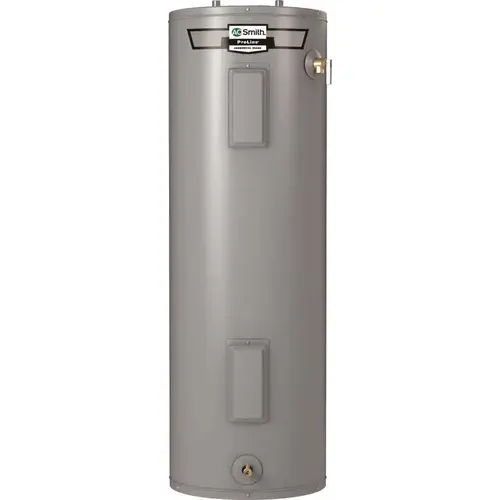
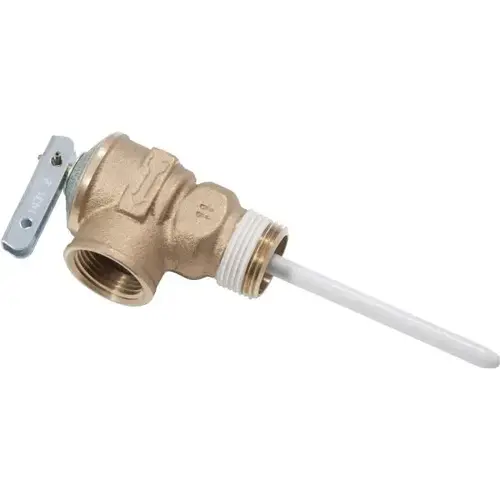
A. O. Smith started to seek outside of the United States for more prospects as the company grew through new ventures in electric motors, fiberglass pipe, and the glass-lined Harvestore® silos. The company brought along the A. O. Smith values of conducting business with honesty and integrity. Whether in Canada (1962), Europe (1971), India (2008), China (1995), or Vietnam, A.O. Smith’s strategy of employing its engineering skills to build goods specifically tailored to the local market was used (2012). In 2011, the company sold its electric motor business and embarked on a strategy to become a leading global water technology company. You can find a range of products from AO Smith here at DK Hardware
It started in 1874 when Charles Jeremiah Smith hung a sign outside his family’s home: C. J. SMITH, MACHINIST. In a short period, C. J. Smith brand grew to become a major supplier of high-quality metal components for manufacturers of bicycles and baby carriages. His sons, Charles S., George H., and Arthur O., joined him in the business with the belief that by applying creativity, skill, and mechanical knowledge to any technical problem, they would be able to find a better way to take the company forward. In 1899, Arthur developed a new, lightweight pressed steel car frame which he sold to prominent car makers, including Cadillac, Packard, Buick, Oldsmobile, Studebaker, Chevrolet, and Ford.
Through continued innovation, AO owners took the business to new heights. In 1921, the company introduced the Mechanical Marvel, the world’s first automated frame production line. It was capable of producing 10,000 auto frames per day, one every eight seconds. The company’s engineers developed an improved method of welding, thus enabling the company to create a range of steel products, including the large diameter steel pipe and pressure vessels for oil refining. These inventions were instrumental in creating the modern oil and natural gas industries. By the mid-1930s, Smith engineers had perfected the process of fusing steel to glass, leading to a series of glass-lined products, including brewing tanks, beer kegs, and residential water heaters.