RECENTLY VIEWED
Skip to main content

DK Hardware Professional Tax Exempt? Net 30? - DK Net Terms
Roll over image to zoom in
30 Days Easy Return. We are the largest supplier of the most adaptable, personalized hardware in the industry. We work hard to ensure you're satisfied with our products.
WARNING: This Product May Contain Chemicals Known to the State of California to Cause Cancer or Reproductive Harm. To Learn More Visit P65Warnings.ca.gov
Product Overview
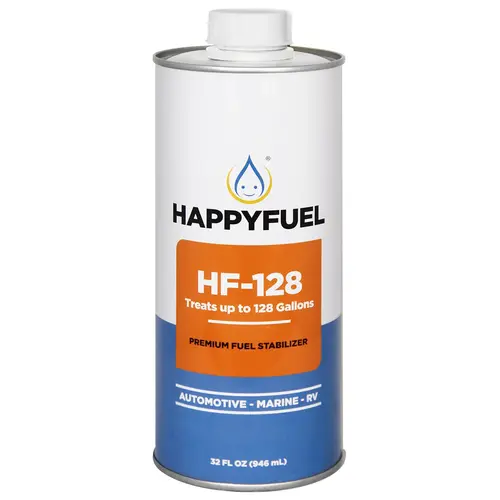
We ve researched the best possible additives and created HappyFuel to bring you the highest quality and best performing fuel stabilizer available. Instructions: Measure out .25 ounces of HappyFuel Premium Fuel Stabilizer for each gallon of gasoline to be treated. Add to gasoline and top off your tank. For your convenience please refer to the dosage chart for calculations. Danger: Contains petroleum distillates. Do not swallow, Do not breathe vapors, keep out of reach of children. First Aid: If swallowed or inhaled, call physician, poison control or go to an emergency room. If it comes in contact with eyes, flush with clean water for 15 minutes. California Proposition 65: HappyFuel, Fuel Stabilizer does not utilize or contain any of the materials listed on California s Proposition 65 list. We will continue to monitor Proposition 65 and will update our labeling when necessary Technical Information: HappyFuel premium fuel stabilizer offers improvements in oxidation stability over conventional fuel stabilizers. With ethanol blended fuels and conventional gasoline, addressing humidity in your fuel becomes critical. HappyFuel s premium chemistry addresses oxidation, lubrication, vapor pressure suppression, and water scavenging, thereby addressing the issues of fuel storage from all mechanistic ends. It does this by: Bonding with gasoline compounds to prevent evaporation of low-end components Forming a protective layer along the engine metal that prevents condensed water from corroding the metal Prevent corroded metal ions from destabilizing gasoline compounds into resin, which can hinder fuel injection components Scavenge water to prevent water deposits at the bottom of the tank, limiting biological activity.