Can paint over oil based cabot stain

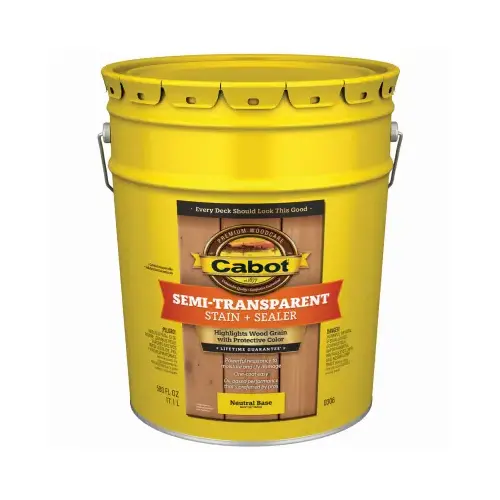
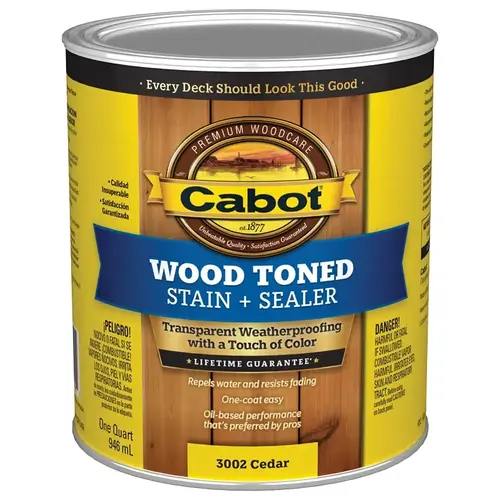
When it comes to painting over stained wood, it’s possible to achieve good results by following proper preparation steps. Here’s how you can paint over an oil-based stain like the Cabot/Valspar Corp 16306-08 Deck & Siding Stain: Determine the Stain Type: First, identify whether the existing stain is oil-based or water-based. You can do this by sprinkling a few drops of water on a small patch of the wood surface: If the water beads up and is not absorbed, the stain is oil-based (since oil repels water). If the water is absorbed, the stain is water-based. Surface Preparation: Clean the stained surface with soapy water to remove dust, dirt, and cobwebs. Lightly sand the surface with 150-grit or finer sandpaper to dull the stain. Sand in the direction of the grain to avoid crosshatching. Use a deglosser (also known as “liquid sandpaper”) to wipe down the surface. This helps strip the finish off wood surfaces faster than manual sanding. Repair any holes or scratches with wood filler and sand again to smooth the surface. Apply a quick-dry primer to ensure good paint adhesion. Choose the Right Paint: If you’re painting over an oil-based wood stain, you have two options: Latex Paint: Use a water-based latex primer and paint. Latex paint adheres well over water-based stain. Oil-Based Paint: You can also use oil-based paint over oil-based stain. However, additional surface prep is needed: Don safety goggles and gloves. Turn on a fan to circulate the air in your work area. Apply a coat of paint to the surface using a paintbrush. Allow the paint to dry for 24 hours. Apply a second coat of paint. Allow the paint to dry for an additional 24 hours to ensure adequate curing time. Caution: Be cautious when removing old paint by sanding or scraping, as it may generate dust or fumes containing lead. Follow safety guidelines to protect yourself from exposure to lead dust or fumes.