RECENTLY VIEWED
Skip to main content

DK Hardware Professional Tax Exempt? Net 30? - DK Net Terms
Roll over image to zoom in
30 Days Easy Return. We are the largest supplier of the most adaptable, personalized hardware in the industry. We work hard to ensure you're satisfied with our products.
WARNING: This Product May Contain Chemicals Known to the State of California to Cause Cancer or Reproductive Harm. To Learn More Visit P65Warnings.ca.gov
Product Overview
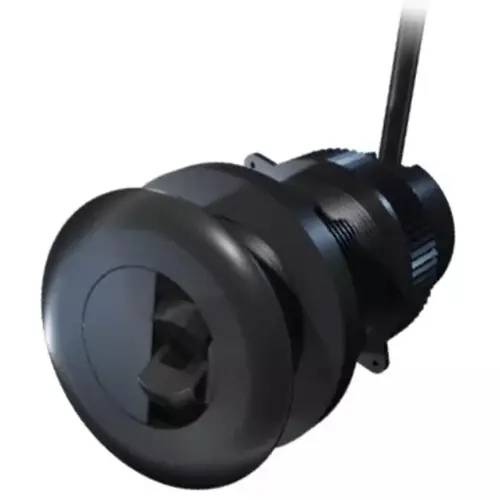
RAYMARINE DST810 Gen2 Smart Multisensor Plastic Thru-Hull Transducer 0 degree Tilt The Raymarine DST810 Gen2 Smart Multisensor combines three critical marine functions "depth, speed, and temperature in one compact, efficient through-hull transducer. This innovative retractable sensor design allows easy maintenance and cleaning without haul-out, saving time and money throughout the boating season. The low-profile plastic housing minimizes underwater drag while delivering accurate performance data in real-time. Smart sensor technology with SeaTalkng connectivity integrates seamlessly with Raymarine multifunction displays and instrument systems, providing instant access to depth readings, boat speed through water, and precise water temperature measurements. The 0 degree element alignment suits flat to moderate deadrise hulls up to 7 degree. High-quality construction ensures reliable long-term performance in saltwater and freshwater environments. The Gen2 version features improved sensor accuracy and enhanced durability compared to previous generations. Simple installation through standard 2-inch hull fitting. Compatible with all Raymarine chartplotters, autopilots, and instrument displays via SeaTalkng or NMEA 2000 networks.