A Veteran’s Guide to Setting Up an Accessible Home Workshop

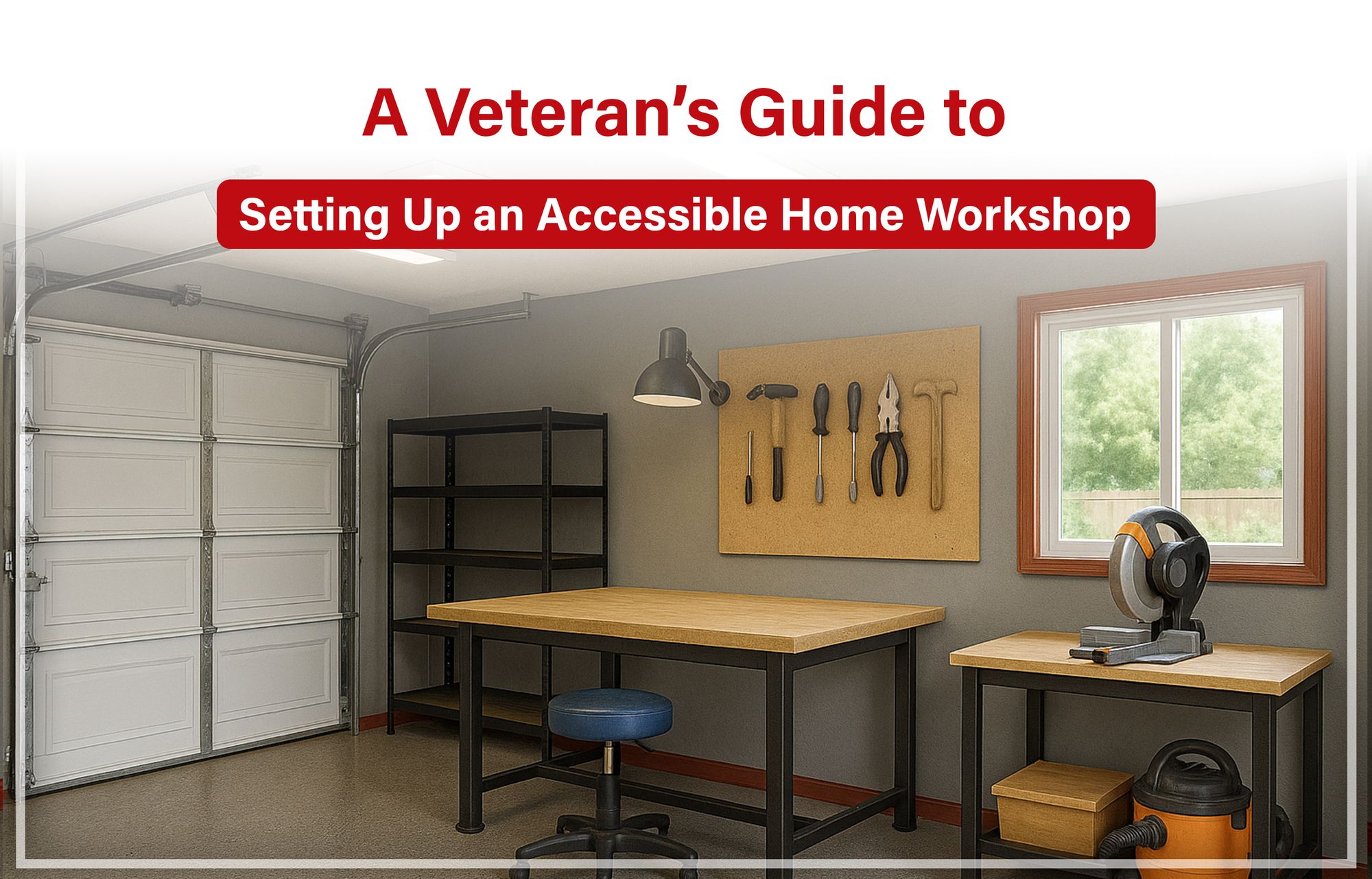
Precision, patience, determination, and pride - qualities every veteran carries long after service. The same traits that made them exceptional soldiers also make them skilled builders, fixers, and makers. It’s no surprise that many veterans have workshops in their homes - and if you’re planning to build one too, this guide will help you get started the right way.
A well-planned home workshop lets veterans keep doing what they love without limits. It should be easy to move around in, keep tools within reach, and let you focus on the work, not the strain. With a bit of planning and adaptability, even a small garage corner can be turned into a space built for comfort, safety, and efficiency.
This guide covers the essentials of setting up a workshop that adapts to you - not the other way around. From layout planning to selecting the right tools, every section is designed to help veterans and seniors create a workspace that’s both practical and empowering.
Why Accessibility Matters in Every Workshop?
For many veterans, a home workshop is a place to stay active, focused, and independent, and accessibility keeps that experience safe and comfortable. By accessibility we mean clear walkways, proper lighting, and benches set at the right height - small changes that reduce strain, prevent falls, and make it easier to keep working for longer periods.
An accessible workshop supports aging in place. It helps veterans maintain strength and mobility while continuing the work they enjoy. Better layouts and ergonomic tools protect the body from fatigue and injury, so projects stay enjoyable instead of tiring.
Beyond safety, accessible design keeps the mind sharp and stress low. The process of creating - cutting, assembling, or repairing - provides focus and a steady routine. A well-designed workspace lets veterans keep doing what they love, safely and with confidence.
Planning the Perfect Workshop Layout
A smart layout helps veterans work efficiently while staying comfortable and safe. Every inch of your space should have a purpose.
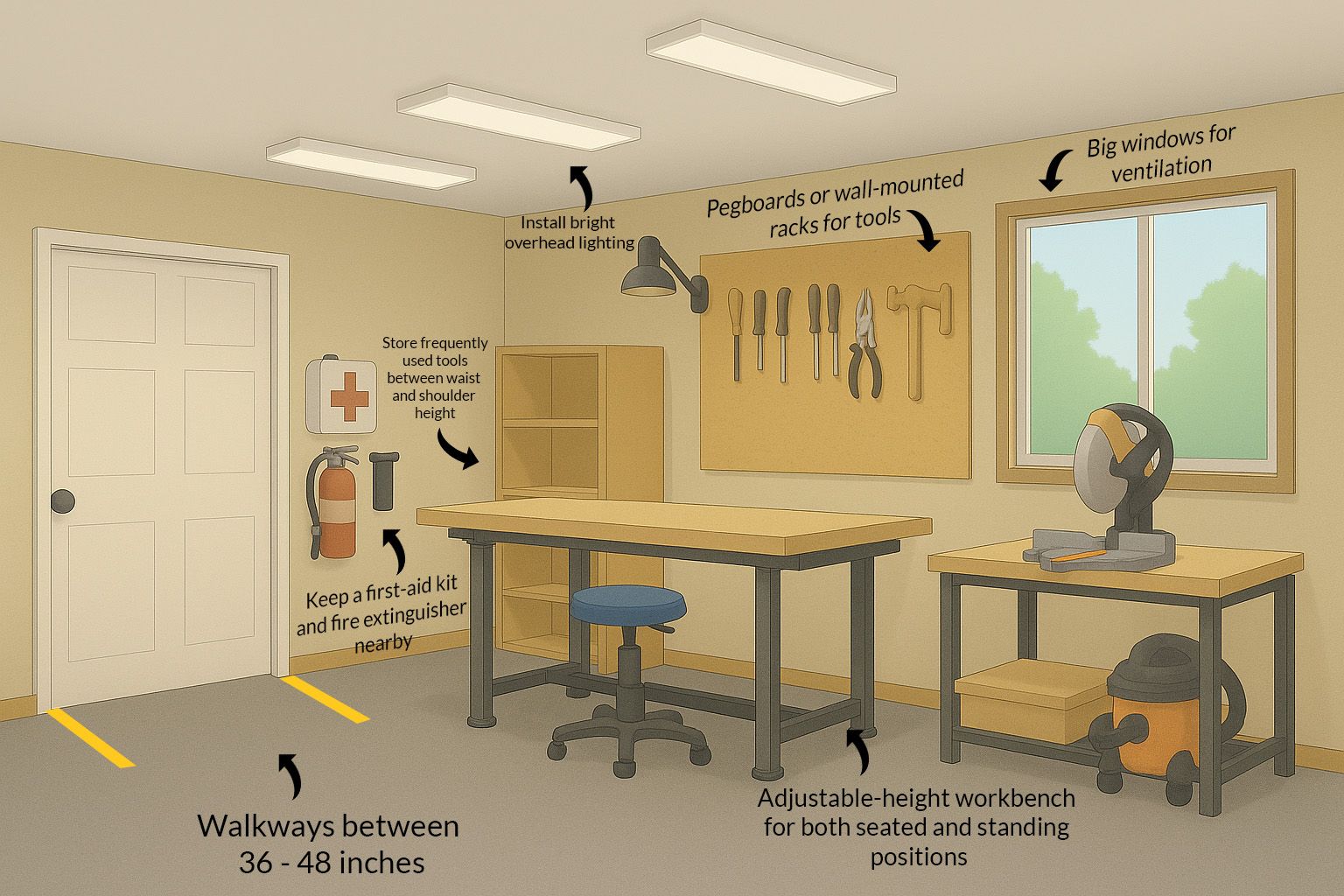
Choose the Right Space
- Use a ground-level area like a garage, shed, or basement with ramp access.
- Keep walkways between 36 - 48 inches wide to allow movement and wheelchair clearance.
- Install bright overhead lighting and focused task lights for detailed work.
- Maintain proper ventilation with fans or windows to remove fumes from paint or adhesives.
Design with Ergonomics in Mind
- Set up an adjustable-height workbench for both seated and standing positions.
- Use pegboards or wall-mounted racks for tools within easy reach.
- Store frequently used tools between waist and shoulder height.
- Add anti-fatigue mats to reduce pressure on joints during long tasks.
Prioritize Safety and Efficiency
- Secure cords to prevent tripping.
- Mark edges or steps with bright tape for visibility.
- Use lever handles or D-shaped drawer pulls for easier gripping.
- Keep a first-aid kit and fire extinguisher nearby.
Small upgrades can significantly improve how safely and comfortably you work. Below are a few examples:
A layout built with these points in mind ensures your workshop remains a safe, accessible, and productive space for years to come.
Ergonomic and Senior-Friendly Tools
The right tools can make any project easier and safer. For veterans, ergonomic tools help reduce strain and improve control.
Choose Tools That Fit Your Needs
- Lightweight cordless drills and drivers: Easier to handle for long periods.
- Soft-grip handles: Reduce pressure on joints and improve grip.
- Automatic safety locks: Prevent accidental starts.
- Easy-change batteries: Reduce the need for excessive twisting or force.
Tool Setup Tips
- Keep heavy tools on lower shelves to avoid overhead lifting.
- Mount tools on rolling stands for flexibility.
- Use a magnetic pickup tool to grab screws or nails without bending.
Adaptive Tools for Disabled Veterans
Some veterans may need tools that accommodate limited strength or range of motion. Adaptive devices make it possible to work comfortably without losing control or precision.
Smart Adaptations
- One-handed clamps or vises: Hold materials securely for limited mobility.
- Foot-operated switches: Control power tools safely when hand movement is limited.
- Adjustable or roll-under workbenches: Allow comfortable use from a seated position.
DIY Modifications
- Wrap handles with foam or grip tape for better control.
- Use bench-mounted tools to reduce the need for lifting.
- Adjust pegboard height to make tools reachable from a wheelchair or stool.
Accessibility ensures every veteran can continue doing what they enjoy without discomfort or risk.
Safety and Organization
Safety and organization go hand in hand. A well-organized shop prevents injuries and makes every task faster.
Safety Essentials
- Keep cords and hoses out of walkways.
- Install non-slip flooring and bright lighting.
- Always wear eye protection, gloves, and dust masks.
- Store chemicals and flammable materials away from heat sources.
Organization Tips
- Use labeled bins or drawers for small parts.
- Keep frequently used tools on wall-mounted racks.
- Set up a mobile cart for materials that move between work zones.
- End each project with a quick cleanup to keep the workspace ready for next time.
Finding Community and Connection
Many veterans find that therapeutic woodworking offers structure, purpose, and calm. Working with tools helps improve focus, lowers stress, and supports recovery. The routine of measuring, cutting, and assembling provides a steady rhythm that keeps hands busy and the mind clear.
Joining veterans woodworking programs or community workshops for seniors brings added benefits: shared knowledge, safe supervision, and peer encouragement. Group settings also make larger projects possible and introduce new techniques without trial-and-error at home.
Why does community matter?
- Mental health: Regular shop time can reduce anxiety and improve mood.
- Skill growth: Learn safer methods, jigs, and ergonomic setups from peers.
- Accountability: Group projects and meetups keep you active and consistent.
- Safety net: More eyes in the shop means quicker help and fewer mistakes.
Ways to get involved with a Community
- Look for local senior maker hours or veteran-focused shop days at community centers.
- Join an online group to share builds, ask questions, and find tool tips.
- Offer to mentor beginners or team up on projects that require extra hands.
- Start a small neighborhood repair hour to help fix items for others and practice skills.
Passing on hard-earned know-how keeps the craft strong. You can swap tips, teach someone a safer grip, or collaborate on a build. Community turns a private workshop into a shared source of purpose and support.
Build a Veteran-Friendly Home Workshop Today!
DK Hardware recognizes and honors veterans every day. This Veteran’s Day - take up a project of building a home workshop for those who don’t give up on building! Keep a check on this space for more such guides, and follow us on Instagram & Facebook for more industry updates!