Complete Guide to the Different Types of Valves

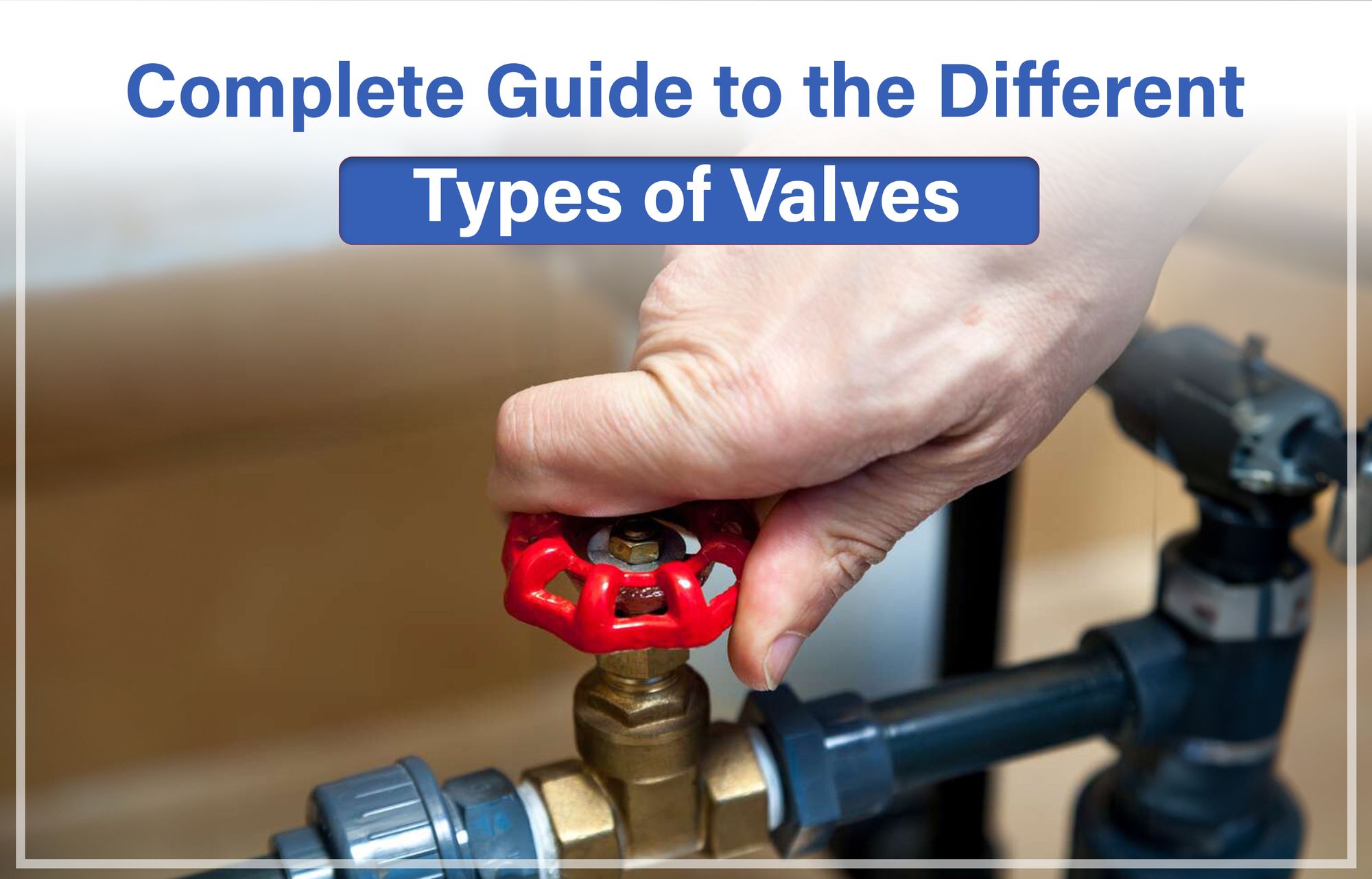
A reliable water shut-off valve is essential for managing water flow in residential and commercial plumbing systems. Whether for routine maintenance, emergency repairs, or upgrades, choosing the right shut-off valve ensures efficient water control and prevents costly damage. In this guide, we’ll explore the different types of water shut-off valves, their applications, and how to choose the best one for your needs.
What Is a Valve & How Does It Work?
A valve is an invaluable tool that regulates how water flows through systems. With it you can turn on, off, or alter its flow when necessary, essential to maintaining optimal performance in any system from home plumbing fixtures like the domestic water valve all the way up to heavy-duty industrial stainless steel valves used by plumbing and industry companies.
Valves serve a vital purpose within any pipe system by either opening or closing passageways within them, allowing things through or restricting passageway flow when closed. When open, water flows freely while when closed it stops flowing freely - saving both money and making your system function better. Furthermore, understanding how a valve works makes selecting and taking care of one easier.
What Are Water Shut-Off Valves?
Water shut-off valves are devices that control the flow of water within a plumbing system. They allow homeowners and professionals to stop water flow when repairing leaks, replacing fixtures, or performing maintenance. These valves vary in design, operation, and intended application.
Types of Water Shut-Off Valves
1. Ball Valves
Description: Ball valves use a rotating ball with a hole to control water flow. A simple 90-degree turn of the handle fully opens or closes the valve.
Best Used For: Main water supply lines and applications requiring a reliable shut-off mechanism.
Advantages: Durable, leak-proof, and easy to operate.
2. Gate Valves
Description: Gate valves have a sliding metal gate that raises and lowers to control water flow.
Best Used For: Main water supply lines where full flow is needed.
Advantages: Minimal pressure drop when fully open but can be prone to corrosion over time.
3. Globe Valves
Description: Designed for regulating water flow, globe valves have a spherical body with an internal plug that adjusts water pressure.
Best Used For: Applications requiring precise water control, such as outdoor faucets.
Advantages: Excellent throttling capabilities but can create pressure drops.
4. Angle Valves
Description: These valves have a 90-degree angle design, commonly used under sinks and toilets.
Best Used For: Controlling water supply to fixtures in tight spaces.
Advantages: Compact, space-saving, and effective for fixture shut-off.
5. Butterfly Valves
Description: These valves use a rotating disc to regulate flow and are controlled by a handle or gear.
Best Used For: Industrial and large-scale plumbing applications.
Advantages: Lightweight, easy to install, and cost-effective for large-diameter pipes.
6. Stop-and-Waste Valves
Description: A dual-purpose valve that shuts off water flow and allows draining to prevent freezing.
Best Used For: Outdoor irrigation systems and sprinkler lines.
Advantages: Protects pipes from winter freezing and damage.
7. Pressure-Reducing Valves
Description: These valves automatically adjust water pressure to prevent damage to pipes and fixtures.
Best Used For: Homes with high water pressure to maintain safe levels.
Advantages: Extends the life of plumbing systems and reduces water wastage.
8. Three-Way Valves
Description: These valves have three ports, allowing water to flow between different pipelines.
Best Used For: Complex plumbing systems requiring directional control.
Advantages: Provides versatility in routing water flow.
Comparison of Different Types of Valves
How to Choose the Right Shut-Off Valve
When selecting a water shut-off valve, consider the following factors:
- Material Compatibility: Ensure the valve material (brass, PVC, stainless steel) is suitable for your plumbing system.
- Size and Connection Type: Match the valve size and type (threaded, soldered, compression) with existing pipes.
- Ease of Use: Choose a valve with a simple operation, especially for emergency shut-offs.
- Durability and Maintenance: Opt for valves resistant to corrosion and wear.
Installation and Maintenance Tips
- Hire a Professional: Proper installation prevents leaks and ensures optimal performance.
- Inspect Regularly: Check for leaks or corrosion and replace faulty valves promptly.
- Test Operation: Periodically turn the valve on and off to ensure smooth functionality.
Explore Water Shut-Off Valves at DK Hardware
At DK Hardware, we offer a wide selection of high-quality water shut-off valves for every plumbing need. Whether you need a durable ball valve for your main water line or a compact angle valve for a sink, we have the right solution for you.
Why Choose DK Hardware?
- Extensive inventory of premium shut-off valves
- Trusted by homeowners and professionals alike
- Competitive prices and excellent customer support
Conclusion
Water shut-off valves are essential for controlling water flow in your plumbing system. Understanding the different types, their applications, and how to choose the right one ensures efficient water management and prevents damage. Explore DK Hardware’s vast selection of shut-off valves today and keep your plumbing system in top shape.
Frequently asked question about Types of Valves
- Which type of valve restricts flow in both directions
A globe valve is the type of valve that restricts flow in both directions. It is designed to control and regulate water flow rather than simply turning it on or off. Because of its internal design, the flow slows down no matter which direction the water moves, making it ideal for applications where precise flow control is needed.
- What is the difference between a Ball valve and a Gate valve?
Ball Valves use a rotating sphere for fast quarter-turn on/off control. Gate Valves use a sliding wedge, ideal for full-bore, low-resistance flow when fully open.
- Why should I consider an on/off valve?
You should consider an on/off valve because it gives you a quick and reliable way to start or stop the water flow whenever needed. These valves are simple to use, require very little maintenance, and are perfect for main water supply lines or emergency shut-off situations. They also help prevent leaks and protect your plumbing system from damage.