
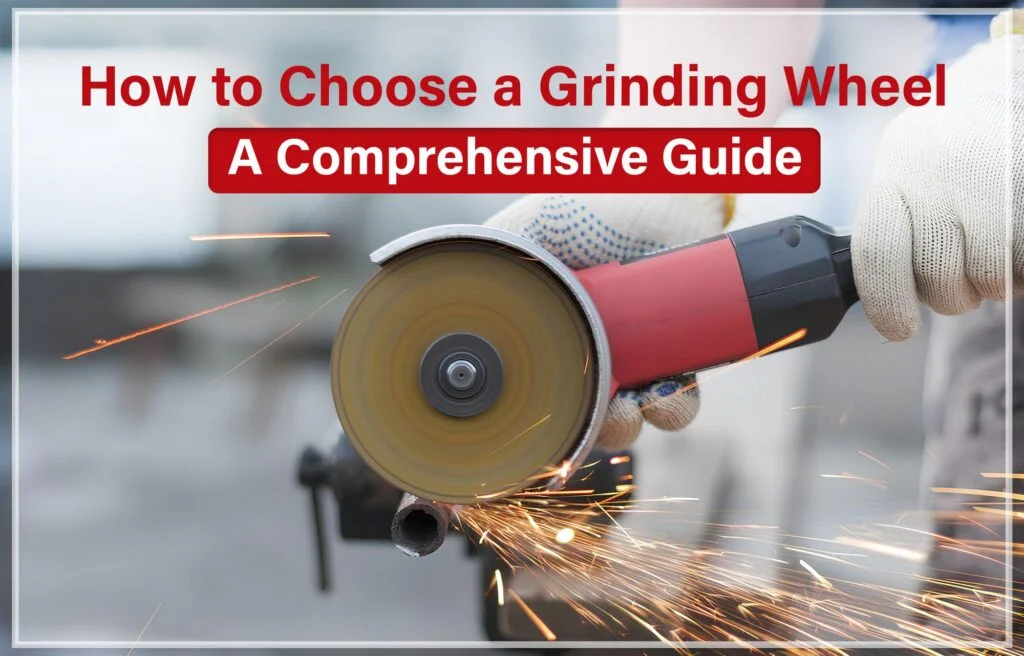


Choosing the right grinding wheel is crucial for achieving optimal results in metalworking, woodworking, and other industrial applications. Whether you’re cutting, shaping, or finishing materials, the type of grinding wheel you use directly impacts efficiency, safety, and final product quality. This guide will help you understand how to choose a grinding wheel, how to change a grinding wheel, and how to remove a grinding wheel while following best safety practices.

Understanding Grinding Wheels
What is a Grinding Wheel? A grinding wheel is an abrasive tool used for cutting, grinding, and polishing different materials. It consists of abrasive grains bonded together in a circular shape and comes in various sizes, types, and compositions to suit different tasks.

How to Choose a Grinding Wheel
Selecting the right grinding wheel involves understanding several key factors: 1. Material Being Worked On
- Steel & Metal: Aluminum oxide or zirconia alumina wheels.
- Carbide & Non-ferrous Metals: Silicon carbide or diamond wheels.
- Glass & Ceramics: Fine-grit diamond wheels.
- Wood & Plastic: Soft-bonded wheels with low grit.
2. Wheel Grit Size
- Coarse Grit (16-30): Removes material quickly but leaves a rough finish.
- Medium Grit (36-60): Balances speed and smoothness.
- Fine Grit (80-220): Provides a polished, refined finish.
3. Wheel Bond Type
- Vitrified Bonds: Durable and strong, best for heavy grinding.
- Resinoid Bonds: Flexible, shock-resistant, ideal for fast cutting.
- Rubber Bonds: Used in polishing and finishing applications.
4. Wheel Hardness
- Soft Bond Wheels: Ideal for hard materials.
- Hard Bond Wheels: Best for soft materials.
5. Wheel Shape and Size
- Choose the shape based on the grinding task.
- Ensure the wheel size is compatible with your grinder.
6. RPM Rating and Compatibility
- Always match the wheel’s speed rating to your grinder’s RPM to avoid accidents.
- Milwaukee 49-94-4525 4-1/2 in. x 1/8 in. x 5/8-11 in. Grinding Wheel
- DEWALT ACCESSORIES DW8723 Metal & Stainless Cutting & Grinding Wheel, 1/4 x .035 x 2-1/2 In.
- Robert Bosch Tool Corp GW27M450 4.5″ X 1/4″ X 7/8″ Metal Type 27 Grinding Wheel

How to Change a Grinding Wheel
Safety Precautions Before Changing a Grinding Wheel
- Wear safety goggles, gloves, and protective clothing.
- Disconnect the power source before handling the grinder.
Step-by-Step Guide to Changing a Grinding Wheel
- Turn Off and Unplug the Grinder – Ensure complete safety.
- Secure the Grinder – Prevent movement while working.
- Remove the Existing Grinding Wheel – Use a wrench to loosen the nut.
- Clean the Spindle and Mounting Area – Prevent debris from interfering with the new wheel.
- Install the New Grinding Wheel – Ensure it is properly aligned and tightened.
- Perform a Safety Check – Run the grinder at low speed before full operation.

How to Remove a Stuck Grinding Wheel
Common Reasons for a Stuck Grinding Wheel
- Rust buildup on the spindle.
- Over-tightened flange nut.
- Debris causing obstruction.
Methods to Remove a Stuck Grinding Wheel
- Use a wrench or spanner to loosen the nut.
- Apply penetrating oil to break down rust.
- Gently tap the wheel using a rubber mallet.
- Use controlled heat to expand metal and loosen the wheel.
Preventative Measures
- Regularly clean and lubricate the grinder.
- Avoid over tightening when installing a new wheel.

Grinding Wheel Safety Tips
- Always inspect the wheel for cracks or damage before use.
- Use proper mounting procedures and avoid excessive force.
- Store grinding wheels in a dry, temperature-controlled environment.
- Follow the manufacturer’s guidelines for maximum RPM ratings.
Common Mistakes to Avoid When Choosing a Grinding Wheel
Selecting a proper grinding wheel is essential for satisfactory performance and the satisfactory performance of your grinding wheel machine. There are a number of mistakes that are usually committed during the selection of a grinding wheel. These mistakes can affect the satisfactory performance of your grinding wheel machine.
Common mistakes to avoid:
- Not checking the material before selecting a grinding wheel
- Not considering the grit size
- Selecting the wrong grinding wheel for your grinding wheel machine
- Not checking the size and speed rating of the wheel
- Selecting a wheel only on the basis of price
Avoiding these common mistakes will help you in selecting the right grinding wheel for your grinding wheel machine.
Conclusion
Choosing the right grinding wheel can significantly enhance your work efficiency and safety. By understanding material compatibility, grit size, wheel hardness, and bond types, you can select the perfect wheel for your task. Additionally, knowing how to change and remove a grinding wheel ensures smooth operations and prevents unnecessary downtime. For high-quality grinding wheels and accessories, explore the extensive collection at DK Hardware today!