

When fabricating screens for sliding windows, manufacturers consider multiple factors to deliver an efficient and marketable product – which could be anything from splines, screen wires and frames to frame corners and wickets that solve customers’ challenges. That means:
- Creating a strong frame or screens suitable for small and large openings, depending on whether they will be used in kitchen windows or porches.
- Ensuring a stable and robust product that lives up to daily wear and tear in a high-traffic environment
- Offering long-lasting utility and long-term performance with minimal maintenance
To address all these factors, reputed manufacturers make certain design and construction choices, which are discussed below. Consider them in your search for door and window screening parts, materials and tools.
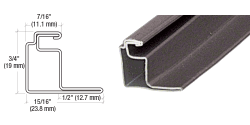
- A cambered profile : Additional tensile strength – Screen frames with a cambered profile retain tension when installed. They offer extra tensile strength and also contribute to an aerodynamic profile. Look for a screen frame with a slightly arched surface to verify the profile. The CRL line of screen frames, for instance, incorporates this design strategy for sliding windows and storm windows. Made of roll form aluminum, some screen frames are available in four finishes and suitable for square cut frame applications. The range also includes other products that come with more options in finishes and lend themselves to other applications such as commercial windows, casement windows, patio screens and porch screens.
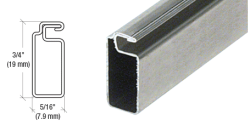
- Lip Frame – As the name implies, this box type roll-formed screen frame has a lip extending from the bottom of the box portion of the frame. This extra piece of frame allows for installation of screens when no backing or jamb stop is available. Two frame sizes available.
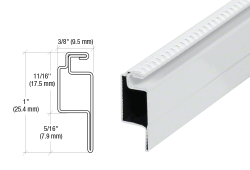
- Standoff Frame – An extra leg, which extends at a right angle from the box of the frame, allows for screen installation in windows where additional clearance for wickets or raised center mullions.
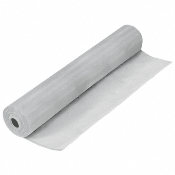
- Aluminum-build screen wire – Aluminum is inherently quite a rigid material, besides offering good resistance against rust and corrosion. The reason why manufacturers use it for screen wires is that is can easily retain its shape during fabrication and offers sustained post-installation support and performance. When shopping for an aluminum screen wire, you may want to check for features such as consistent weave and look at the available finishes – such as charcoal and bright colors – to determine which one best suits your project. Check out CRL’s screen wires that are popularly used for a range of window and door applications.
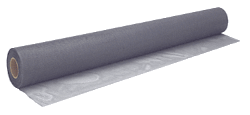
- Fiberglass Screen Wire – This economical screen wire is suitable for most door and window applications. Made with strands of fiberglass making the material light in weight, it stands tough in under many conditions. Its flexibility makes it easy to work with and install. Comes in gray and charcoal.
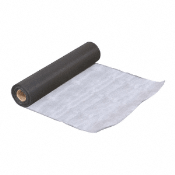
- Heavy-Duty Fiberglass Screen Wire –Much like the above, fiberglass strands are woven into an 18 X 14 mesh that makes this an ideal screening material for large areas, such as outdoor patios and screen houses. This sturdy material is available in charcoal.
Plastic corners are used with screen frames to construct or repair a window screen. High strength plastic is the choice of material, with those from CRL offering outstanding resistance to corrosion and distortion. They are designed to fit into square cut ends and maintain a stable fit. The choice in colors is vast, allowing you to find the perfect shade and finish for your needs.
Miter Cut Screen Frame Corners are just the thing to keep screen frames square and sturdy. Designed to fit into miter cut frames for seamless look.
Must Read : How to Select the Best Security Bolts for Your Windows and Doors
Door vs Window Screen Parts: What’s the Difference?
At first glance, Window Screen Parts and Door Screen Parts may look similar, but they are designed for different purposes. Understanding these differences helps you choose the right components for better performance and longer life.
The main difference comes down to size, usage, and durability. Window screens are usually smaller and stay fixed in place, while screen doors are used more frequently. Because of this, door Screen Parts need to be stronger and more durable to handle daily movement.
- Size and Structure:
Window Screen Parts are made for smaller, fixed frames, while door Screen Parts are designed for larger openings and movable frames. - Durability Needs:
Screen doors face more wear and tear due to regular use. That’s why screen door replacement parts are built to be stronger and more resistant to damage. - Hardware Components:
Window screens mainly use mesh, spline, and frame corners. In contrast, screen doors include extra parts like rollers, handles, and latches for smooth operation. - Type of Mesh Used:
Window screens often use standard mesh, while doors may need thicker or pet-resistant mesh for added strength. - Installation and Maintenance:
Window Screen Parts are generally easier to install and maintain. Door Screen Parts, especially moving components, may require more regular checks and adjustments.
In simple terms, both types of screen parts help keep insects out while allowing fresh air inside. However, choosing the right screen door replacement parts or Window Screen Parts based on usage ensures better durability, smoother operation, and long-term performance.
Common Mistakes to Avoid When Choosing Screen Parts
Choosing the right screen components may seem simple, but small mistakes can lead to poor fit, low durability, and frequent repairs. Whether you’re selecting Window Screen Parts or Door Screen Parts, avoiding these common errors will help you get better performance and long-lasting results.
One of the biggest mistakes is not considering where the screen will be used. Window screens and doors have different needs, so choosing the wrong type of parts can affect both function and durability.
- Choosing the Wrong Size:
Not measuring properly can lead to loose or tight fittings. Always check dimensions before buying any Window Screen Parts or screen door replacement parts. - Ignoring Quality and Material:
Low-quality materials may save money initially, but they wear out quickly. Durable materials ensure better strength and long-term use. - Using Window Parts for Doors (or Vice Versa):
Door Screen Parts need to handle more movement and pressure. Using standard window parts for doors can lead to faster damage. - Overlooking Mesh Type:
Different meshes serve different purposes. For example, doors may need stronger or pet-resistant mesh, while windows can use standard mesh. - Not Considering Weather Conditions:
Outdoor exposure can cause rust or damage. Choosing weather-resistant Window Screen Parts and Door Screen Parts is essential for long-term performance. - Skipping Proper Tools and Installation:
Even the best parts won’t work well if installed incorrectly. Using the right tools ensures a secure and clean fit.
By avoiding these common mistakes and selecting the right screen door replacement parts and Window Screen Parts, you can ensure better durability, smoother performance, and fewer maintenance issues over time.
Also Read : The Complete Guide to Glass Door Hardware Sizing & Thickness for Winter Safety and Insulation
Conclusion
Choosing the right screen components for your home doesn’t have to be complicated. Once you understand the difference between Window Screen Parts and Door Screen Parts, it becomes much easier to select options that fit your needs and last longer.
From selecting the right mesh and frame to avoiding common mistakes, every small decision plays a role in how well your screens perform. Using high-quality screen door replacement parts and properly sized components ensures a secure fit, smooth operation, and better durability over time.
Regular maintenance and proper installation also make a big difference. Taking a little extra care now can help you avoid frequent repairs and keep your screens looking clean and functioning properly.
In the end, investing in the right parts and making informed choices will help you enjoy better airflow, improved protection, and long-lasting performance for both your doors and windows.