

DK Hardware

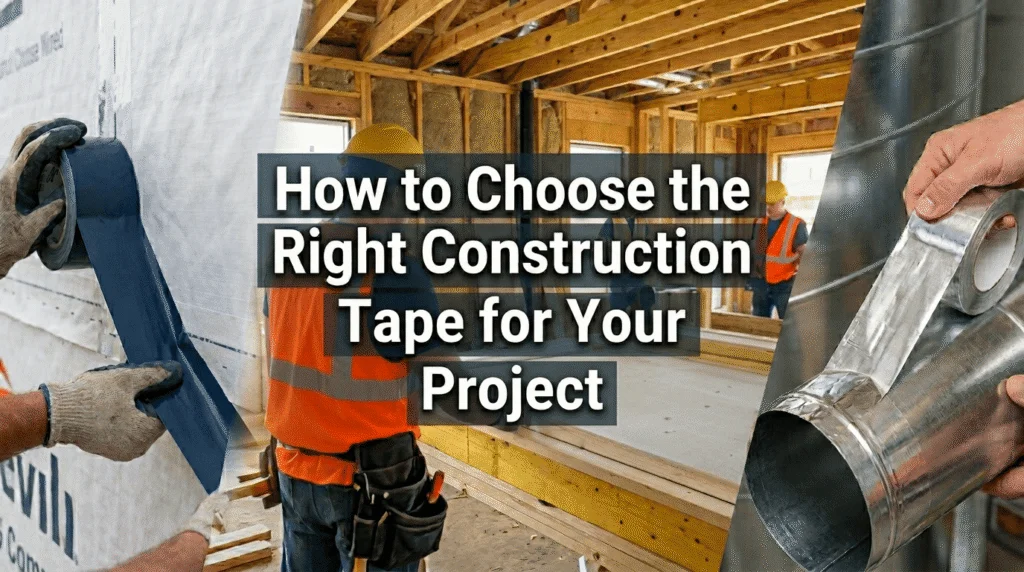
How to Choose the Right Construction Tape for Your Project 

15% Off

Marine

Equipment &

Tools

Construction tape plays a crucial role in building houses, covering seams in barriers to keep out water, flashing windows to prevent air and water infiltration, and ensuring a solid air barrier. You can recall using tape for housewrap seams and window flanges 20 years ago, but the tape at that time, similar to regular packing tape, didn’t adhere well. Nowadays, tapes have improved, sticking more effectively and serving a broader range of purposes beyond sealing housewrap. Despite these advancements, there’s still a risk of using tape incorrectly or selecting the wrong type for the task. As a builder and energy consultant in a very cold area, you can ensure to choose and use tape carefully, ensuring your clients’ homes function as intended.
Typical Uses

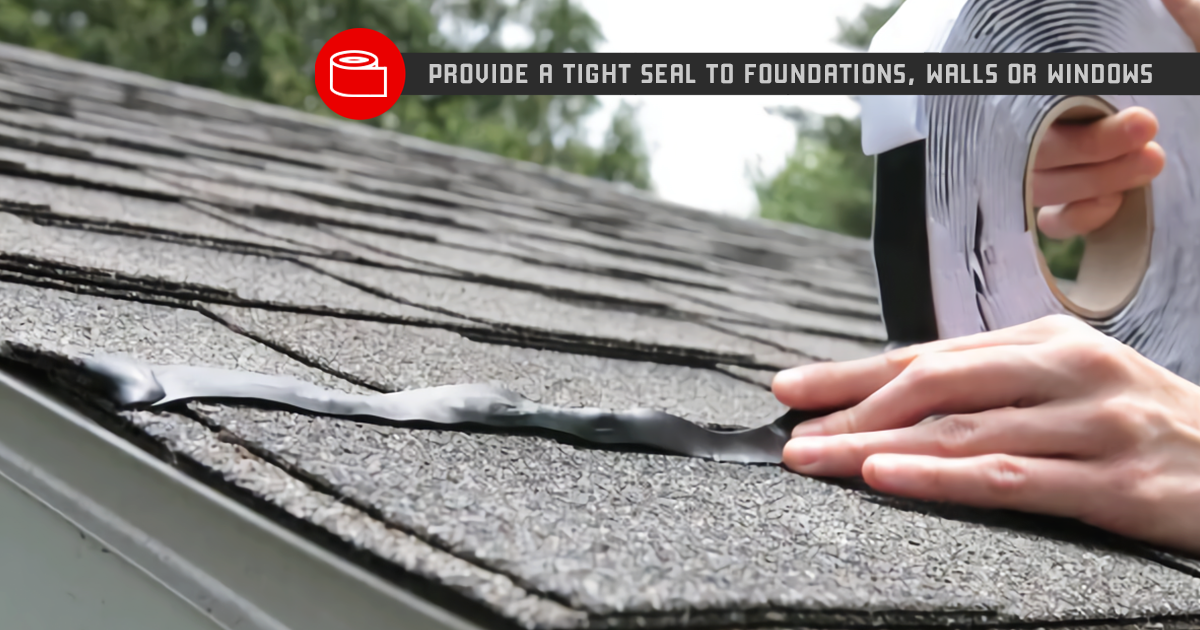
Preventing water infiltration in our structures is a prevalent application of construction tape. Applying tape to the seams of mechanically attached water-resistive barriers (WRBs) like Brixwell or factory-applied WRBs like those in Zip System sheathing creates an efficient water-shedding assembly. Construction tapes are also employed to safeguard window and door rough openings from water damage, water-seal penetrations through wall assemblies (e.g., dryer and bath vents), and seal foundations or roofs to exterior walls. Tapes designed for water management often double as barriers against air movement through assemblies.

Compatible Surfaces

Unlike older tapes, modern ones adhere well to a broad range of construction materials, including engineered and solid wood, rigid insulation (e.g., XPS, EPS, and polyiso), plastics, PVC and fiberglass window flanges, metal, glass, and concrete. Some tapes may require a primer on OSB or concrete for enhanced bonding, and specific requirements can be found in the manufacturer’s data sheets.

Tape Adhesion Factors

The effectiveness of tape adhesion depends on various factors. Surface smoothness is crucial, as smoother surfaces generally offer better adhesion. The porosity of the surface is another significant factor, with less porous surfaces typically providing stronger tape grip. The viscosity of the tape’s adhesive influences its contact with the surface, affecting overall adhesion. It’s important to note that viscosity may change with temperature, potentially impacting tape reliability. Some tapes may exhibit “creeping” in high temperatures, while others may lose stickiness in colder conditions. Surface cleanliness and dryness are additional considerations, necessitating the removal of dust, pollen, and debris. While some tapes work on damp surfaces, others require complete dryness. Always refer to the manufacturer for specific guidance.

Tape Success Strategies

  1. Apply Pressure: As the name suggests, pressure-sensitive tapes require activation through pressure, often applied with a J-roller. Rolling the tape is essential for a complete bond; this pressure should cover the entire length. Manufacturers may specify the rolling requirement directly on the tape or recommend using a squeegee or a similar smoothing tool with constant pressure.
  2. Pay Attention at Corners: Ensure seam or flashing tape is tightly pushed into corners to prevent complications during trim and siding. Using tape with a split liner for corners is recommended. Apply the tape from the top of the corner, working downward, peeling, and applying short sections at a time. Repeat the process on the other side once the first side is completely adhered to.
  3. Read the Directions: Manufacturers’ product data sheets and websites contain valuable information. Learn about suitable application temperatures, rolling requirements, material compatibility, and available widths and sizes. While choosing tape and weather-barrier products from the same manufacturer is the safest option, mixing and matching can be done successfully with guidance from the manufacturer’s technical services department. Local product representatives and technical support can often be accessed through manufacturer websites.
Acrylic vs Butyl vs Rubberized Asphalt Tape: What’s the Difference?

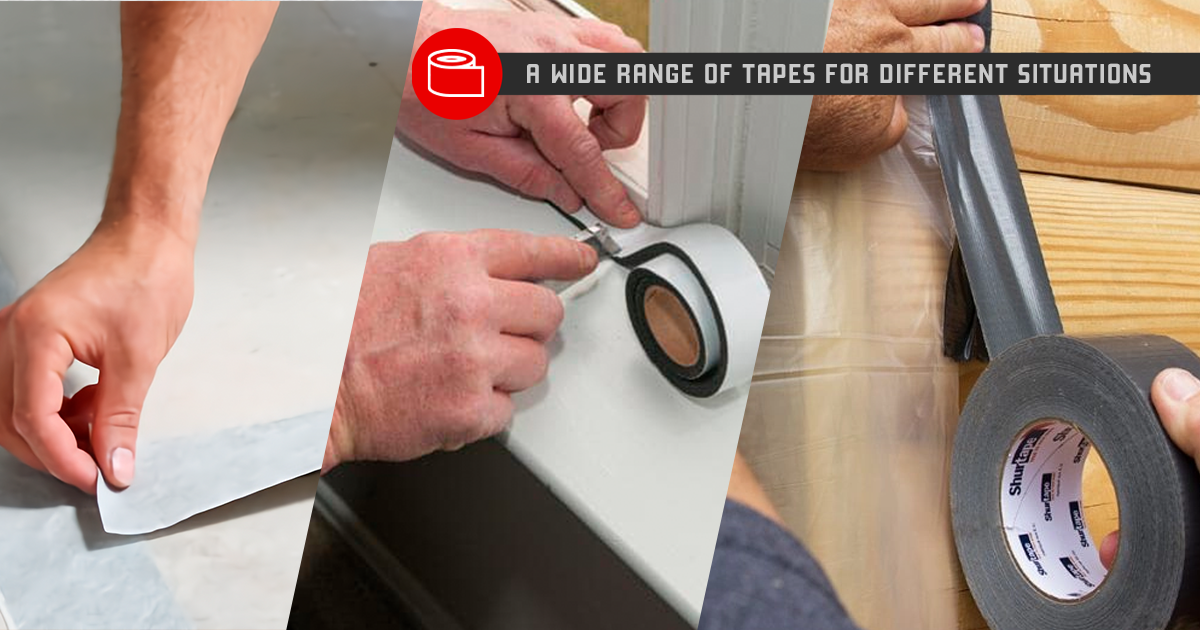
Choosing the right construction tape is important for getting strong adhesion, proper sealing, and long-lasting performance. Different tapes are designed for different conditions, surfaces, and construction needs. Among the most common options are acrylic, butyl, and rubberized asphalt tapes.

Understanding the difference between these construction adhesive tapes can help you select the right tape for construction projects such as waterproofing, flashing, air sealing, and weather protection.

Acrylic Tape

Acrylic tape is one of the most popular choices in modern construction because of its strong bonding performance and durability.

Best For:

  • Air sealing
  • Window flashing
  • Housewrap seams
  • Cold-weather applications

Benefits:

  • Excellent long-term adhesion
  • Performs well in hot and cold temperatures
  • Works on many surfaces
  • Highly durable and flexible

Things to Know:

Acrylic tapes are usually more expensive, but they are often considered one of the best options for long-term moisture protection.

Butyl Tape

Butyl tape is another commonly used tape for construction projects. It is known for its flexibility and reliable sealing performance.

Best For:

  • Window and door flashing
  • Metal surfaces
  • Moisture protection

Benefits:

  • Strong waterproof seal
  • Good UV resistance
  • Flexible and easy to apply
  • More affordable than acrylic tape

Things to Know:

Butyl tapes perform well in many weather conditions, although acrylic tapes usually provide better performance in extreme cold.

Rubberized Asphalt Tape

Rubberized asphalt tape is widely used for sealing rough or uneven surfaces in construction projects.

Best For:

  • Roof sealing
  • Foundation sealing
  • Irregular surfaces

Benefits:

  • Strong grip on rough surfaces
  • Good water resistance
  • Cost-effective option

Things to Know:

This type of construction adhesive tape may not perform as well in colder temperatures and can sometimes soften or shift in extreme heat.

Quick Comparison

Tape Type

Best Use

Main Advantage

Limitation

Acrylic Tape

Air sealing & flashing

Excellent durability

Higher cost

Butyl Tape

Waterproof sealing

Flexible & UV resistant

Moderate cold-weather performance

Rubberized Asphalt Tape

Rough surfaces & roofing

Strong surface grip

Less stable in extreme temperatures

In simple terms, acrylic tape offers premium performance, butyl tape provides flexible and reliable sealing, and rubberized asphalt tape works well for rough surfaces. Choosing the right tape for construction projects depends on your environment, materials, and application needs.
Quick Tip

Before selecting a construction tape, always consider: Surface type Temperature conditions Moisture exposure Indoor or outdoor use Using the right tape can improve durability and prevent future moisture or air leakage issues.

Types of Tapes

There are three main types of tape used in construction today: acrylic, butyl, and rubberized asphalt, sometimes called “bituminous” or “modified bitumen.” There are advantages and disadvantages to each.

1.  Acrylic

The most popular tapes—and usually the most expensive—are acrylic. These tapes can be very elastic; one example is Zip System Stretch Tape. Many can be applied in lower temperatures and bond well with most surfaces. Sometimes, it may take a few hours or even a few days for the adhesive to cure the taped surface fully.

2. Butyl

Another common material for construction tape is butyl. These tapes typically come at a slightly lower cost compared to acrylics. Butyls are UV- and thermally stable, making them suitable for various conditions. They can be applied in lower temperatures, although acrylics outperform most other types of tape in cold weather. Brixwell butyl tape is commonly used in window and door flashing.

3. Rubberized Asphalt

The final type of tape is made of rubberized asphalt, similar to products like Ice and Water Shield. Rubberized asphalt tapes excel with irregular surfaces but may not adhere well in cold weather. Some tapes in this category may “creep” or move when exposed to high heat. Generally, more cost-effective, rubberized asphalt tapes include products like Grace Vycor Plus.

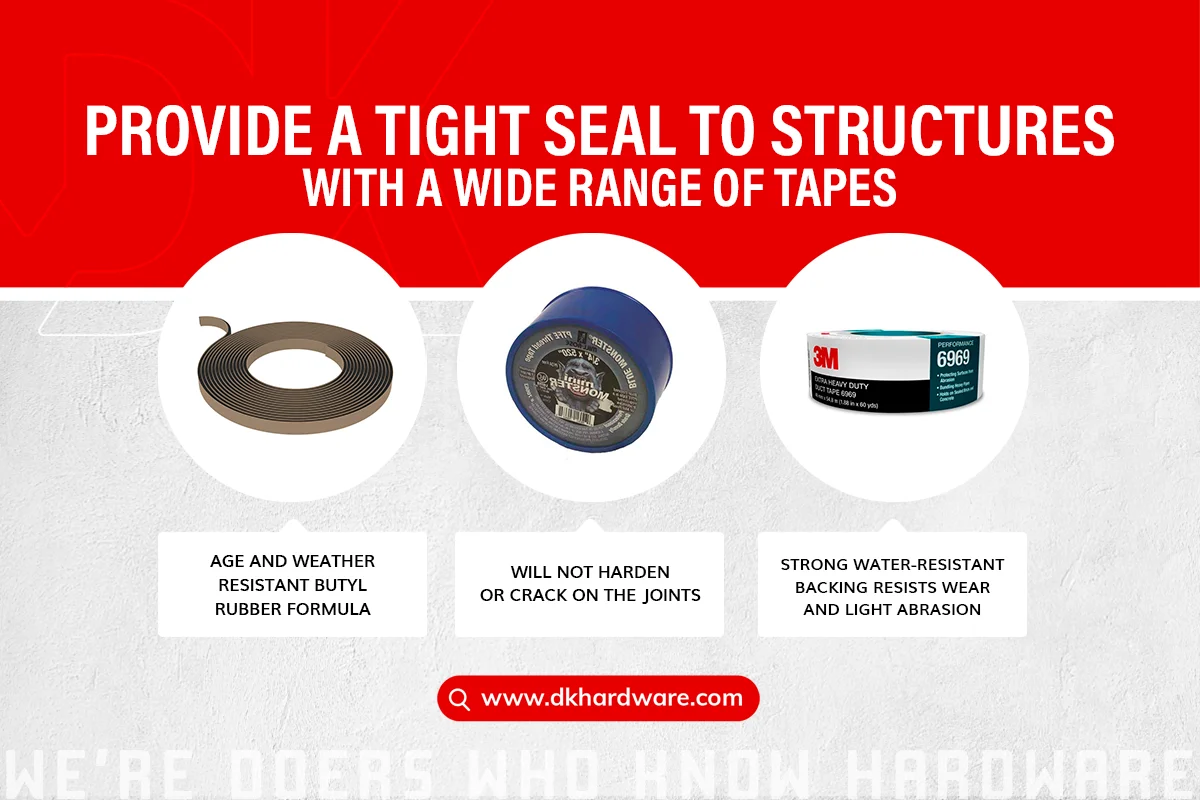
While many tape manufacturers claim their products can be applied in cold weather, it’s crucial to note that not all tapes perform equally in low temperatures. Acrylic tapes, like CRL Truck Cap Foam Seal Tape, Brixwell Blue Double Coated Carpet Tape, Brixwell  Blue Double Coated Carpet Tape, CRL Bond Breaker Tape, Brixwell Rolls – Pro Blue Painters Masking Tape, Brixwell Rolls – Pro Blue Painters Masking Tape, CRL Acrylic Very Hi-Bond Adhesive Tape, CRL Transparent Acrylic Very Hi-Bond Adhesive Tape, or Norton Thermalbond Structural Glazing Spacer Tape, are recommended for pressure-sensitive adhesive applications in cold or cold temperatures. Butyl tapes, such as Super Stick, also proved to perform well. In the past, tape selection was often budget-driven, but your current perspective emphasizes the critical role tapes play in moisture prevention, a significant threat to buildings. Therefore, compromising on tape quality is not advisable. Opt for the best tape available, conduct your testing, and identify the system that aligns seamlessly with your needs.

Explore a Wide Range of Tapes at DK Hardware

  1. 3M Premask Application Tape Roll
  2. SCOTCH DP-1000-RR-2 Packaging Tape
  3. Gorilla Crystal Clear Tough and Wide Tape
  4. Brixwell AFT30050-XCP24 Aluminum Foil Tape
  5. Blue Monster PTFE Thread Seal Tape
  6. Brixwell Pro Blue Painters Masking Tape
  7. 3M Extra Heavy Duty Duct Tape, Silver
  8. SCOTCH Premium Grade Color Coding Electrical Tape, Yellow

Best Construction Tape for Cold Weather Applications

Cold weather can make construction work more challenging, especially when it comes to tape adhesion. In low temperatures, some tapes lose their stickiness, become stiff, or fail to bond properly to surfaces. That’s why choosing the right construction tape for cold weather applications is important for maintaining strong sealing and long-lasting performance.

The best tape for construction in colder conditions should provide reliable adhesion, flexibility, and moisture protection even when temperatures drop.

What Makes a Construction Tape Good for Cold Weather?

Not all construction adhesive tapes perform well in winter conditions. Cold-weather tapes are specially designed to maintain bonding strength in low temperatures.

Important Features to Look For:

  • Strong adhesion in cold temperatures
  • Moisture and weather resistance
  • Flexibility without cracking
  • Durable long-term sealing performance
  • Compatibility with multiple construction surfaces

Acrylic Tape – Best Overall for Cold Weather

Acrylic tape is widely considered one of the best options for cold-weather applications.

Why Acrylic Tape Works Well:

  • Maintains strong adhesion in low temperatures
  • Works on wood, metal, concrete, and insulation boards
  • Resistant to moisture and air leaks
  • Durable in changing weather conditions

Many professionals prefer acrylic construction tape for air sealing, window flashing, and waterproofing in colder climates.

Butyl Tape – Reliable for Moisture Protection

Butyl tape is another good choice for moderate cold-weather applications.

Benefits:

  • Flexible and waterproof
  • Good UV resistance
  • Works well for flashing windows and doors

Although butyl performs well, acrylic tapes usually offer better performance in extremely cold environments.

Rubberized Asphalt Tape – Best for Rough Surfaces

Rubberized asphalt tape can work well on uneven or textured surfaces.

Best Uses:

  • Roof sealing
  • Foundation protection
  • Rough construction materials

However, some rubberized asphalt tapes may lose flexibility or adhesion in freezing temperatures.

Common Cold Weather Tape Applications

Cold-weather construction adhesive tapes are commonly used for:

  • Housewrap sealing
  • Window and door flashing
  • Roof and foundation sealing
  • Air barrier systems
  • Waterproofing applications

Helpful Tip

Before applying tape in cold weather:

  • Clean and dry the surface properly
  • Store tapes indoors before use
  • Apply firm pressure using a roller or smoothing tool
  • Check manufacturer temperature recommendations

Using the right tools along with the best construction tape measure can also improve installation accuracy and sealing performance.

In simple terms, acrylic tape is usually the best construction tape for cold weather because of its strong adhesion and durability. Butyl tape also performs well for moisture protection, while rubberized asphalt tape works best on rough surfaces when temperatures are not extremely low.

Conclusion

Choosing the right construction tape is an important part of creating strong, durable, and weather-resistant building systems. From sealing housewrap seams and flashing windows to protecting structures from moisture and air leaks, the right tape helps improve both performance and long-term reliability.

Understanding the differences between acrylic, butyl, and rubberized asphalt tapes can make it easier to select the best solution for your project. Each type of construction adhesive tape offers unique benefits depending on the surface, weather conditions, and application requirements.

It is also important to avoid common installation mistakes, such as applying tape on dirty surfaces, ignoring temperature guidelines, or using the wrong tape for the job. Proper application techniques help improve adhesion, waterproofing, and overall durability.

For colder climates, selecting the best construction tape for cold weather applications becomes even more important. Acrylic tapes are often preferred because they maintain strong adhesion and flexibility in low temperatures, while butyl and rubberized asphalt tapes work well for specific sealing needs.

By choosing high-quality tape for construction projects and following proper installation practices, homeowners, contractors, and builders can improve moisture protection, air sealing, and overall building performance for years to come.

Click on any link on this blog to be redirected to some of the best options.

For any specific questions, feel free to reach out to us!

For quotation contact via email: sales@dkhardware.com or

Toll-Free: 877-509-8040
Frequently Asked Questions

What is construction tape used for?

Whether it’s securing joints, sealing leaks, or seaming floor protection pieces together, tape plays a crucial role in construction, renovation, and repair work.

What is construction tape called?

Barricade tape is also known as construction tape or barrier tape, or in reference to the safety hazard involved as caution tape, warning tape, danger tape or hazard tape.

What is the highest strength adhesive tape?

3M VHB tapes and ultra strong high bond tapes (Guarantape adhesive levels 6 and 7) are the strongest tapes in stock, with high bond acrylic adhesives which are perfect for challenging applications to metal, brick, plastic, rubber and glass.

Related Blogs