Decorative Hardware for Interiors

Interior design products for the details that finish a room, from cabinet knobs and pulls to mirror frames, ceiling fans, and the levelers that make furniture sit right.
Cabinet knobs and pulls, mirror frames, casters, glides, and levelers.

$20 OFF

on Orders of $237+

LABORDAY20

Coupon Copied

$30 OFF

on Orders of $299+

LABORDAY30

Coupon Copied

$45 OFF

on Orders of $379+

LABORDAY45

Coupon Copied

Volume Pricing
Net 30 For Qualified Businesses
Commercial-Grade Stock
Hard-to-Find Specialty Products
Shipping to Remote Jobsites

Cabinet Knobs & Pulls

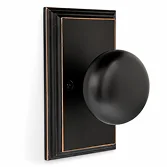
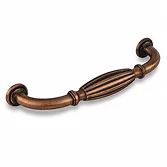
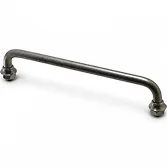
Cabinet knobs and pulls for kitchens, baths, built-ins, and office furniture, plus the cabinet hinges to go with them. Measure the center-to-center distance between your existing screw holes before you order. That one number decides whether the swap takes ten minutes or turns into filling and re-drilling.

Mirrors & Ceiling Fans

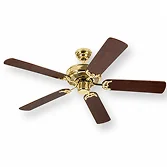
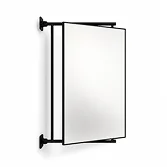
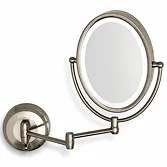
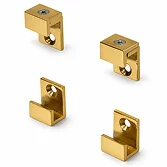
Mirror frames, pivot mirrors, mirror clips and hangers, plus ceiling fans and accessories. A ceiling fan needs a fan-rated electrical box, not a standard fixture box, so check what’s in the ceiling before you buy the fan.

Furniture Casters & Glides

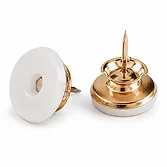
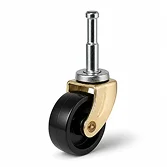
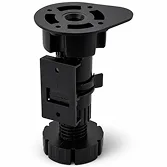
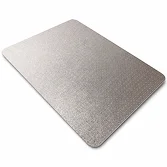
Furniture casters, floor glides, leg levelers, and chair mats. Check the mount type first (stem or plate), then the load rating, then the wheel material for your floor. Soft wheels protect hard floors; hard wheels roll better on carpet.

How Do You Choose Decorative Hardware?

Four decisions, in this order. Get the first two right and the rest is style.

  1. Knob or pull? A knob takes one screw hole, a pull takes two. Going from knobs to pulls means drilling a second hole in every door, so settle this before you order, not after the box shows up.
  2. Measure center-to-center. That’s from the middle of one screw hole to the middle of the other, not edge to edge and not the overall length of the pull. Pulls come in a standard set of spacings, and matching yours keeps the old holes hidden.
  3. Size it to the drawer. A pull that’s right for a 12-inch drawer looks undersized on a 36-inch one. Wide drawers usually want a longer pull, or two pulls instead of one.
  4. Pick the finish for how the room gets used. Matte finishes like matte black and brushed nickel hide fingerprints and daily wear, which matters more in a working kitchen than a guest bath. Polished chrome and unlacquered brass show more (chrome through water spots, brass through patina), so choose those where the look is worth the upkeep. Mixing two finishes in a room works, as long as it reads deliberate.

Furniture Upgrades and Repairs

Most furniture problems are hardware problems, and four of them cost far less than replacing the piece:

  • Make heavy furniture movable. Furniture casters on office chairs, side tables, storage cabinets, and workbenches turn a two-person lift into a push. Confirm the stem or plate mount matches what’s on the furniture before you order.
  • Stop a table or cabinet from rocking. Leg levelers adjust each leg on its own, which fixes an uneven floor properly instead of shimming it with cardboard and hoping.
  • Protect floors from scratches. Floor glides go under anything that gets dragged, and a chair mat covers the spot where a desk chair sits, which is where carpet and hard floor wear fastest.
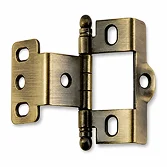
  • Fix cabinet doors instead of replacing them. A loose or sagging door is usually a hinge problem, not a door problem, and new cabinet hinges cost a fraction of a new cabinet.

Why Buy Interior Design Hardware From DK Hardware?

Cabinet hardware, mirror fittings, and furniture hardware all sit in the same order, which matters when a project needs forty pulls, six levelers, and a set of hinges on the same timeline. We stock the niche stuff too, so you’re matching a finish across brands instead of working within one maker’s range. As a hardware supplier for interior designers and homeowners alike, we handle a single kitchen and a multi-unit spec the same way. Ordering across several units or a full project? Volume pricing and net terms apply.


Need Help Matching a Finish or a Size?

Call +1 877 509 8040 or chat with a live person. The team can confirm a center-to-center spacing, match a finish across brands, or work out which caster suits your floor before you order.

Interior Design Hardware FAQs

Measure center-to-center: from the middle of one screw hole to the middle of the other. Not edge to edge, and not the overall length of the pull. Pulls are made to a standard set of spacings, so matching yours means the new hardware covers the existing holes and the swap is a straight screwdriver job.

Only if the center-to-center spacing matches. If it doesn’t, you’re either drilling new holes or filling the old ones, sanding, and touching up the finish. A backplate is the third option, since it sits behind the pull and hides the previous holes. Measure before you order and you skip the question entirely.

Knobs suit doors and small drawers and take one hole. Pulls suit wide or heavy drawers and take two. A common approach is knobs on doors and pulls on drawers, which reads as deliberate rather than mismatched. Whichever you pick, the hole count is what decides how much work the change involves.

Matte finishes hide fingerprints and daily wear better than polished ones, which is why matte black and brushed nickel do well in kitchens. Polished chrome and unlacquered brass both show more, chrome through water spots and brass through natural patina. In a low-traffic room, that’s a style choice; in a working kitchen, it’s a maintenance one.

Start with the mount (stem or plate) and match what’s already on the furniture. Then check the load rating covers the furniture plus its contents, divided across the number of casters. Last, pick the wheel for the floor: soft wheels protect hard flooring, hard wheels roll better on carpet.

Find More About Interior Design Hardware