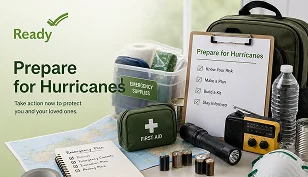
Hurricane Supplies for Homes and Businesses

Hurricane season runs June 1 to November 30. Get your building and supplies ready ahead of the season, while everything’s in stock.

$20 OFF

on Orders of $237+

LABORDAY20

Coupon Copied

$30 OFF

on Orders of $299+

LABORDAY30

Coupon Copied

$45 OFF

on Orders of $379+

LABORDAY45

Coupon Copied

One storefront or a whole property, the job is the same: get the building ready before a hurricane, then get it working again after. Our list of hurricane preparedness items cover the full job: boarding up and sealing, backup power, moving water out, and the hardware to repair what the storm damages.
Volume Pricing
Net 30 For Qualified Businesses
Commercial-Grade Stock
Hard-to-Find Specialty Products
Shipping to Remote Jobsites

Hurricane Preparedness Supplies

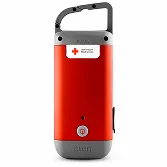
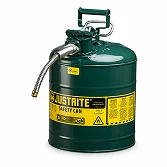
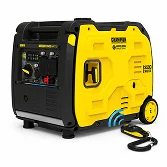
The emergency supplies for hurricanes that protect your building and keep the power on. Stock them ahead of the season, not once a storm’s already on the way.

Hurricane Recovery & Cleanup

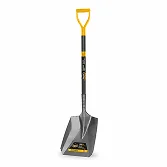
Once it’s safe to go back in, here’s what you need to dry the place out, clean it up, and rebuild, from pumps and vacuums to the hardware to repair your doors and openings.

Hurricane Disaster Preparedness: Get The Building Ready

Openings (Doors, Windows, Storefronts)

  • Cover every window and door with shutters or panels. Cut and pre-drill the panels now, while the weather’s calm, so they go up fast when a storm is coming.
  • Seal the edges of every door and window with weatherstripping. Even a closed door leaves gaps that wind-driven rain gets through.
  • On swinging storefront doors, check the closer and hinges. High winds slam these doors hard, and the closer and hinges are the first parts to break.

Roof, Drainage, And Grounds

  • Clear out drains, gutters, and roof scuppers so rainwater flows away instead of pooling on the roof.
  • Bring loose outdoor items inside, or tie them down. In high wind, signs, bins, and furniture turn into projectiles.
  • If you’re in a flood path, sandbag low doorways and dock doors to hold water back.

Power And Water

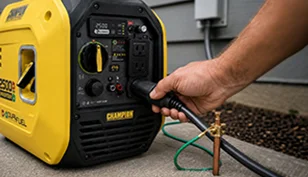
  • Test your generator and fill the fuel tank before the power goes out. If the fuel has been sitting a while, add fuel stabilizer so it still runs.
  • Make sure your transfer switch works. A transfer switch is what safely connects a generator to your building, so without a working one, the generator is no use.
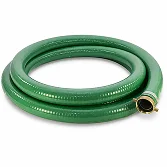
  • Set up a sump or utility pump wherever water tends to collect, and run the discharge hose out ahead of time so it’s ready to go.

Hurricane Recovery: What to Do After the Storm Passes?

  • Wait until officials give the all-clear before going back in. On the way, watch for downed power lines and ground that’s been washed out.
  • Pump out the standing water first, then vacuum up whatever’s left with a wet/dry vac.
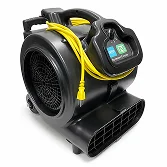
  • Open the building up and run fans and a dehumidifier. Drying it out fast is what prevents mold, so the sooner you start, the better.
  • Cut out any drywall and insulation that soaked through. Photograph all the damage before you throw anything away, so you have it for the insurance claim.

Must Follow Hurricane Safety Tip

  • Carbon monoxide can kill you, and you won’t smell it. Never run a generator indoors, in a garage, or near a window or vent, even with a door open. The exhaust contains carbon monoxide, which is invisible and has no odor.
  • Never plug a generator into a wall outlet. Doing this (“backfeeding”) pushes power back into the utility lines, which can electrocute repair crews and start a fire. Always connect a generator through a transfer switch or interlock instead.
  • Floodwater can be electrically live. If the water is touching a wall outlet, an electrical panel, or a plugged-in cord, it can carry a deadly shock. Shut the power off at the breaker box before you step into it. If you can’t safely reach the breaker, stay out of the water until an electrician says it’s safe.
  • Put on protective gear before you clean up. Wear gloves, boots, and eye protection. Floodwater carries sewage, chemicals, and sharp debris you can’t see in it.

Why Shop Hurricane Preparedness Items From DK Hardware?

Get your hurricane tool and supply, backup power, and door hardware all from one place, instead of splitting an emergency order across three suppliers. Everything here is made for buildings, not just consumer kits – commercial-grade doors, storefronts, and hardware built to hold up to real weather.

Pricing works for bulk, too. Order by the case with volume pricing and net terms, whether you’re covering one property or a whole portfolio. And if you’re not sure what you need, there’s a US-based team to help you find the right part – before the storm and after.


Hurricane Preparedness - Frequently Asked Questions

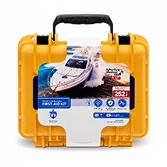
Think of it as four jobs. Protect your openings (storm panels, plywood, weatherstripping, sealant), back up your power (generator, fuel, transfer switch), be ready to move water (a sump or utility pump), and cover light and safety (work lights, emergency lighting, first aid). Get your hurricane readiness supplies for hurricane preparation before a storm is named, because the shelves clear out fast.

Put up storm shutters or panels, or board up with exterior-grade plywood you’ve cut and pre-drilled ahead of time. Then seal around the edges with weatherstripping and sealant so wind-driven rain can’t work its way in. For permanent protection, impact-rated doors and storefronts are tested against flying debris and rated to the Florida Building Code and Miami-Dade standards – the benchmark most coastal jurisdictions follow.

That comes down to what you’re running. A few essentials like a fridge, some lights, and a register will run off a mid-size portable, but a whole building needs a larger dual-fuel unit sized to your circuits and wired in through a transfer switch. Whatever you go with, never run it indoors.
Wait until local officials give the all-clear, and watch for downed power lines and standing water on your way in. Gear up before you start. Then get the standing water out, vacuum up what’s left, and start drying the place with fans and a dehumidifier before mold has a chance to set in.
Start by pumping out the standing water, then go over what remains with a wet/dry vacuum. Dry everything with air movers and a dehumidifier, and cut out any drywall, carpet, and insulation that’s soaked through. Disinfect the surfaces once it’s dry, and photograph the damage for your insurance before you throw anything away.
Before the season starts. The Atlantic hurricane season runs June 1 through November 30, but storms can form outside those dates, so the smart move is to have your Hurricane emergency supplies in hand early, while everything’s still in stock.

Know More About Hurricane Preparedness