



Introduction
Choosing the right interior door hardware may seem like a small detail, but it’s a key aspect of home design that combines functionality with style. At DK Hardware, we believe that well-chosen door hardware can elevate a room’s aesthetic and improve day-to-day usability. This guide will walk you through the essentials of selecting door hardware for your home, from style considerations to practical functionality, ensuring you make the best choices for your space.
1. Understanding Door Hardware Components
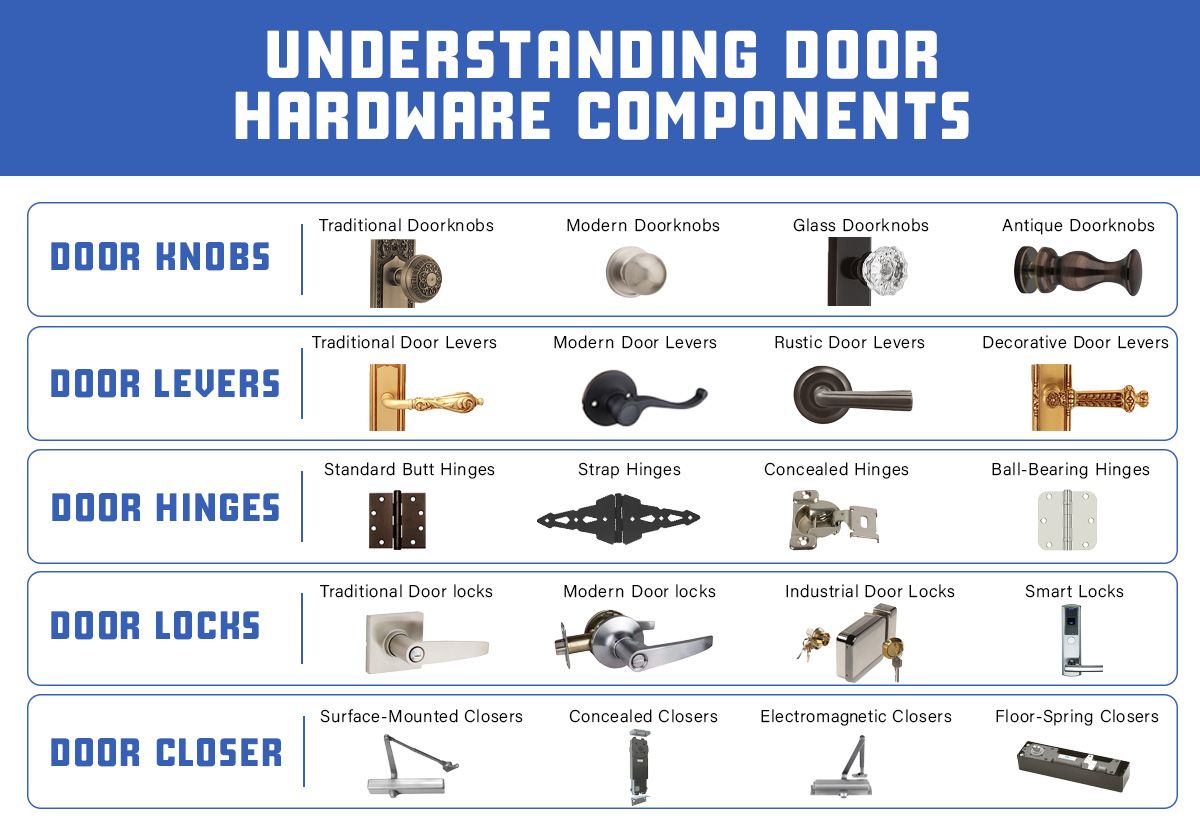
Each component of door hardware serves a distinct purpose. Knowing these parts will help you make informed choices that fit your needs.
- Doorknobs and Levers: These are the most visible parts of door hardware. Knobs offer a classic look, while levers provide easier accessibility, which can be helpful for children, the elderly, or anyone with limited mobility.
- Hinges: Often overlooked, hinges are a vital part of door functionality. DK Hardware offers a variety of hinge options, from butt hinges to ball-bearing hinges, each suited to specific door types and weight.
- Locks and Latches: Choosing the right lock depends on the door’s purpose. Privacy locks, for instance, are ideal for bedrooms and bathrooms, while passage latches work well for doors that don’t need locking, such as closets.
- Accessories: Enhance functionality with accessories like backplates, rosettes, and door stops. These additions from DK Hardware add character and prevent wall damage, blending style and practicality.
2. Assessing Door Specifications
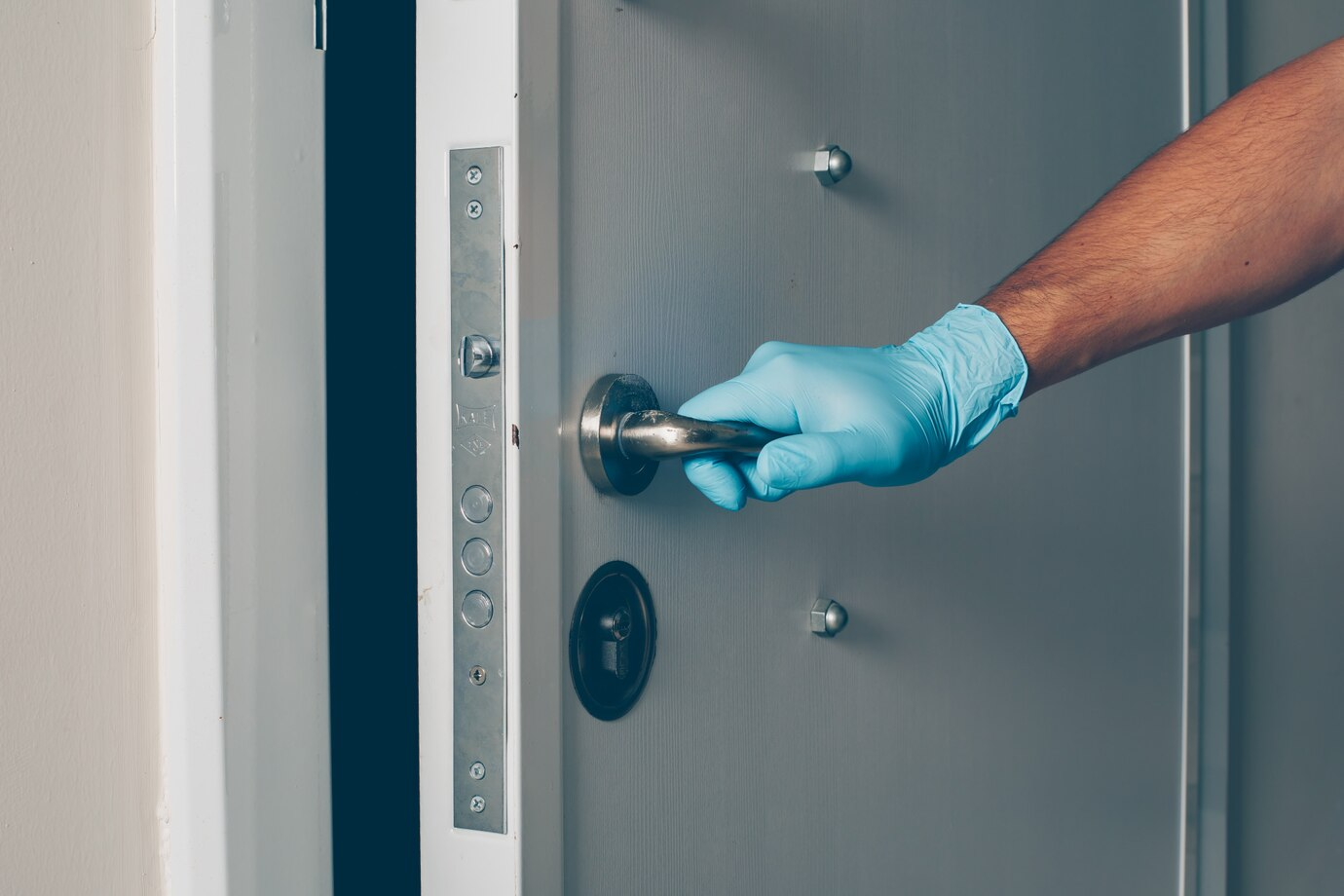
Proper fit is crucial when selecting door hardware, and knowing your door specifications is essential:
- Door Thickness: The standard thickness for interior doors is 1 3/8 inches, but double-check to ensure compatibility with your chosen DK Hardware products.
- Backset Measurement: The backset, or distance from the door’s edge to the center of the knob hole, is typically 2 3/8 inches or 2 3/4 inches. Accurate measurement here ensures a secure fit.
- Handing: Determining the door’s swing direction is important. If your door swings toward you with the hinges on the right, it’s a right-handed door, and vice versa.
3. Aligning Hardware with Interior Design
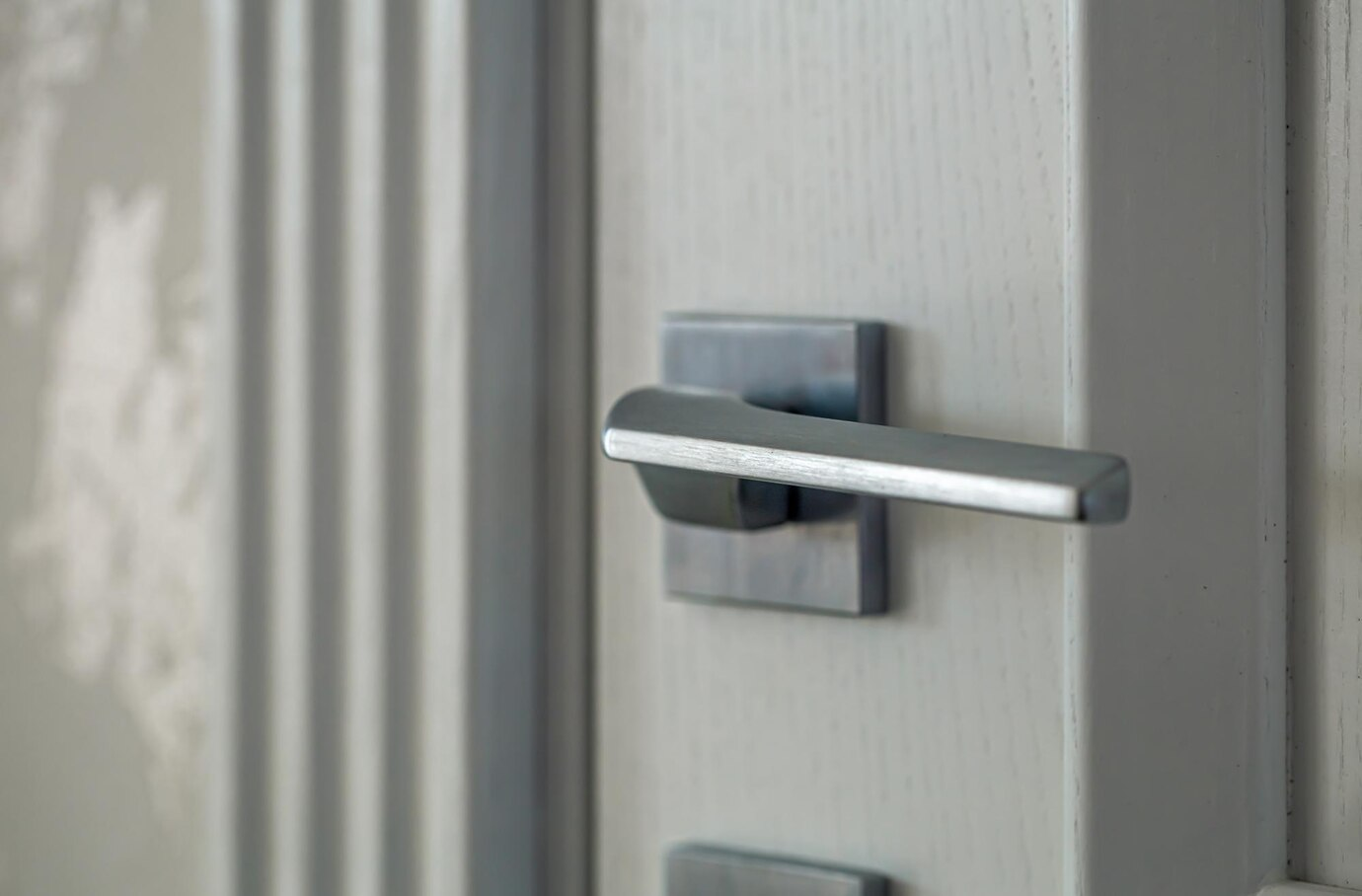
Your interior door hardware should complement the style of your home. DK Hardware offers a range of styles and finishes to suit every decor theme.
- Style Consistency: Match your door hardware with the overall design theme of your home. Modern spaces may benefit from sleek, minimalist handles, while traditional or rustic homes look great with antique finishes.
- Finish Selection: DK Hardware carries popular finishes like satin nickel, oil-rubbed bronze, and polished chrome. Your finish choice can match other metals in the room or create a unique contrast.
- Mixing Metals: Combining different metals can create a unique, customized look. When mixing finishes, balance warm metals like brass with cooler ones like chrome to add visual interest without clashing.
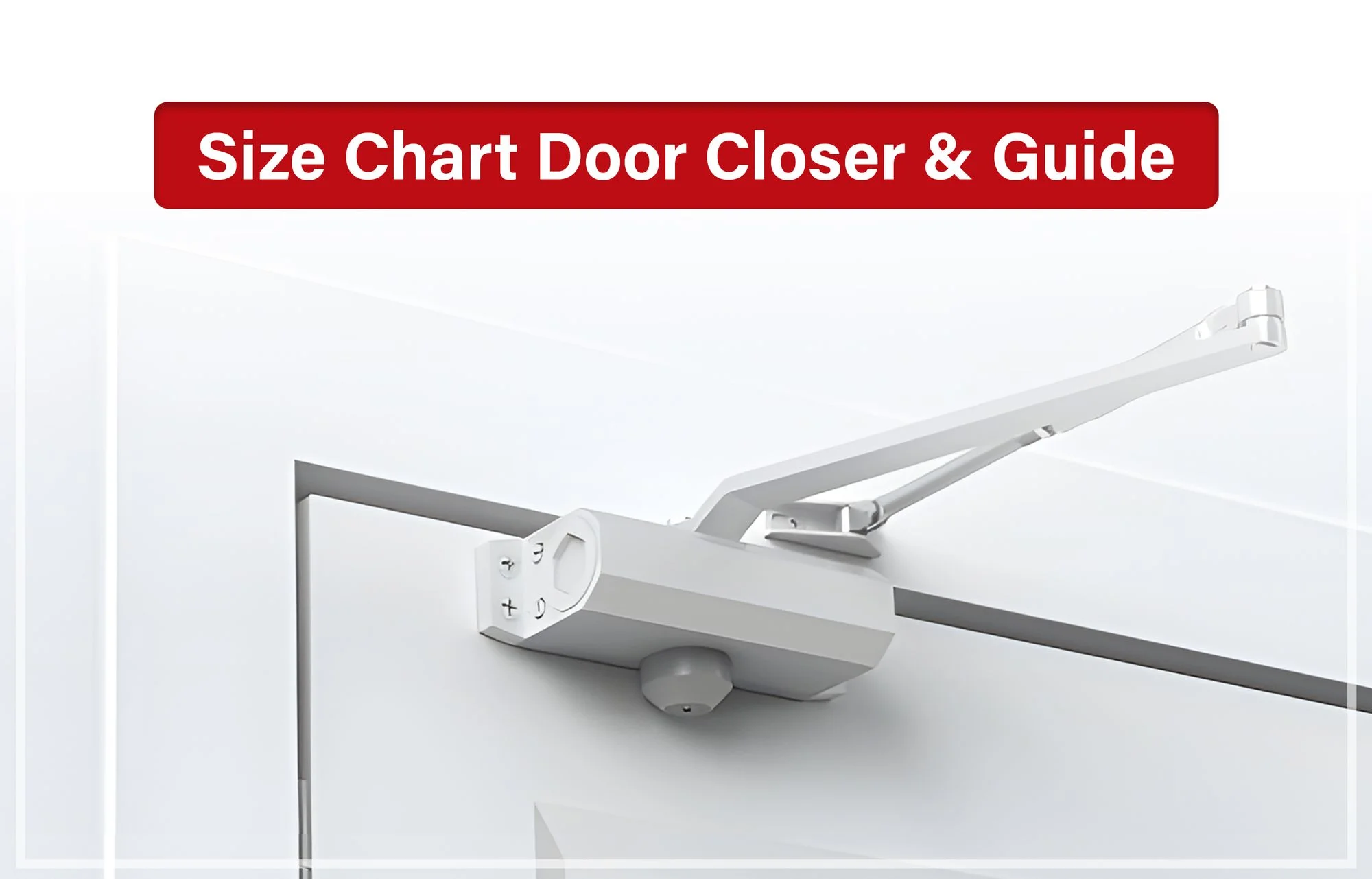
Read more : Door Closer Size Chart & Guide – ADA & Fire Safety Guidelines Explained
4. Functionality and Usage Considerations
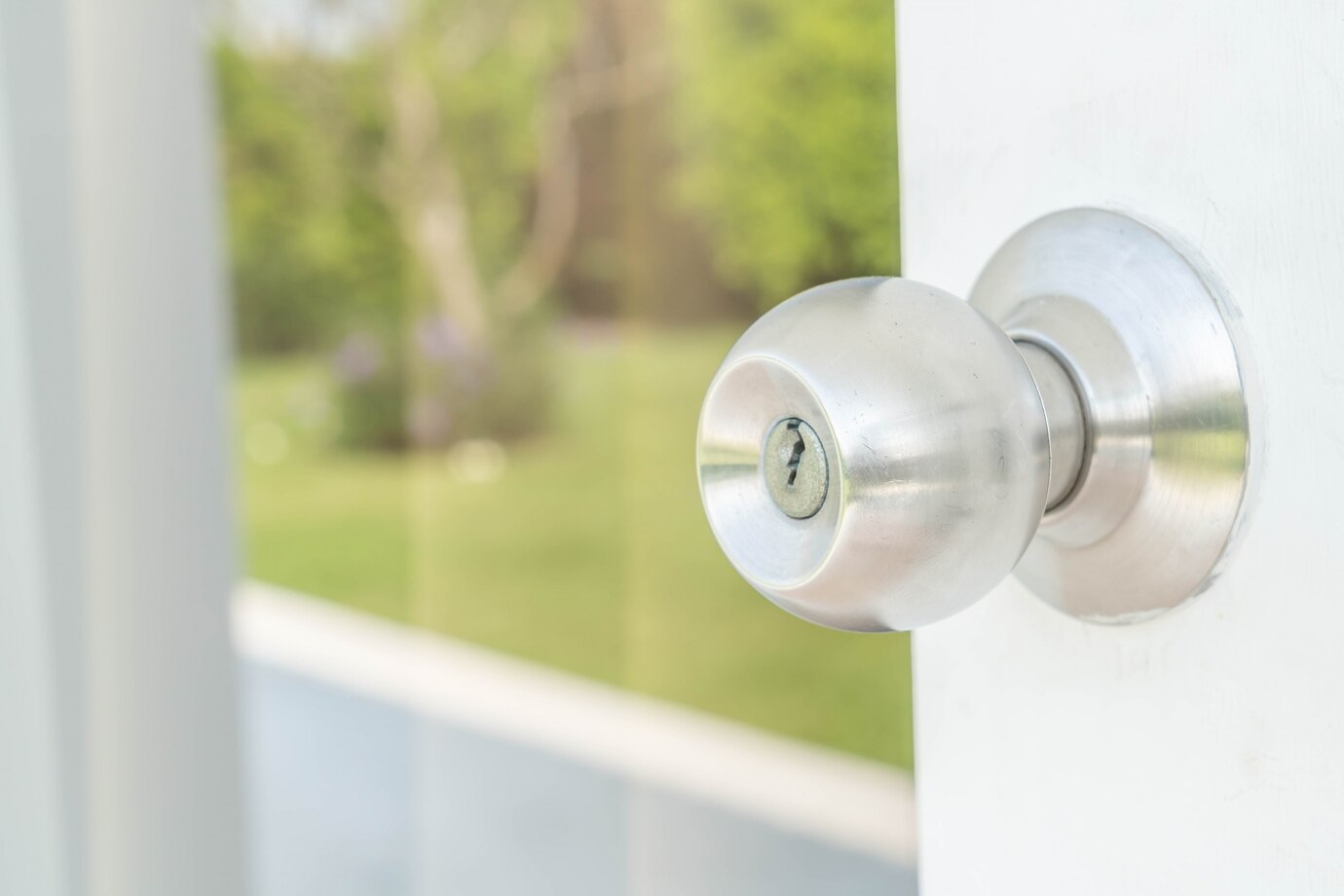
Think about how each room’s function impacts your hardware choice.
- Room Function: Each room has specific needs. Privacy locks from DK Hardware are ideal for bathrooms, while dummy knobs or levers are perfect for decorative doors or closets.
- User Accessibility: Lever handles are easier to use than knobs, making them an ideal choice for children or elderly family members.
- Durability and Maintenance: Select durable finishes, such as those from DK Hardware’s stainless steel or brass collections, that can withstand daily use and are easy to clean.
5. Budgeting and Quality Assessment

Investing in quality hardware can make a significant difference in durability and style.
- Budget Planning: While high-end finishes and designer hardware can cost more, they’re often worth the investment. At DK Hardware, we offer a range of options to suit various budgets without sacrificing quality.
- Quality Indicators: Quality hardware from DK Hardware is crafted from robust materials like solid brass, stainless steel, or bronze, ensuring lasting performance.
6. Installation and Compatibility
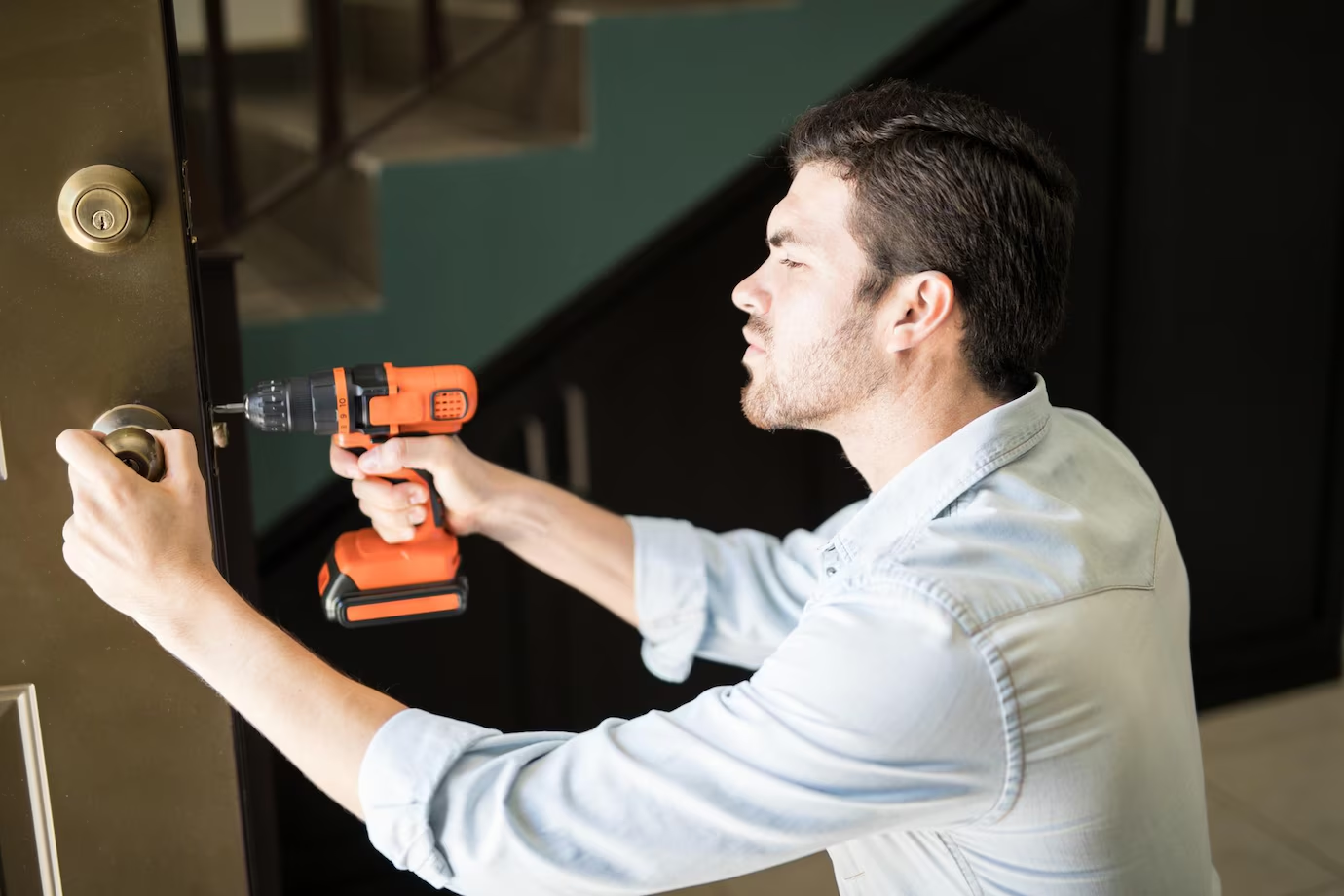
Ensuring your chosen hardware is compatible with your doors is essential, especially for installation.
- Pre-Drilled vs. Custom Drilling: Check if your door is pre-drilled for knobs and locks. DK Hardware provides options for both, so you can find hardware that fits pre-drilled doors or allows for custom installations.
- DIY Installation Tips: If you’re planning to install hardware yourself, DK Hardware offers easy-to-install products along with detailed instructions.
- Professional Assistance: For more complex installations, such as mortise locks, consider hiring a professional to ensure proper fit and function.
7. Trends and Innovations in Door Hardware
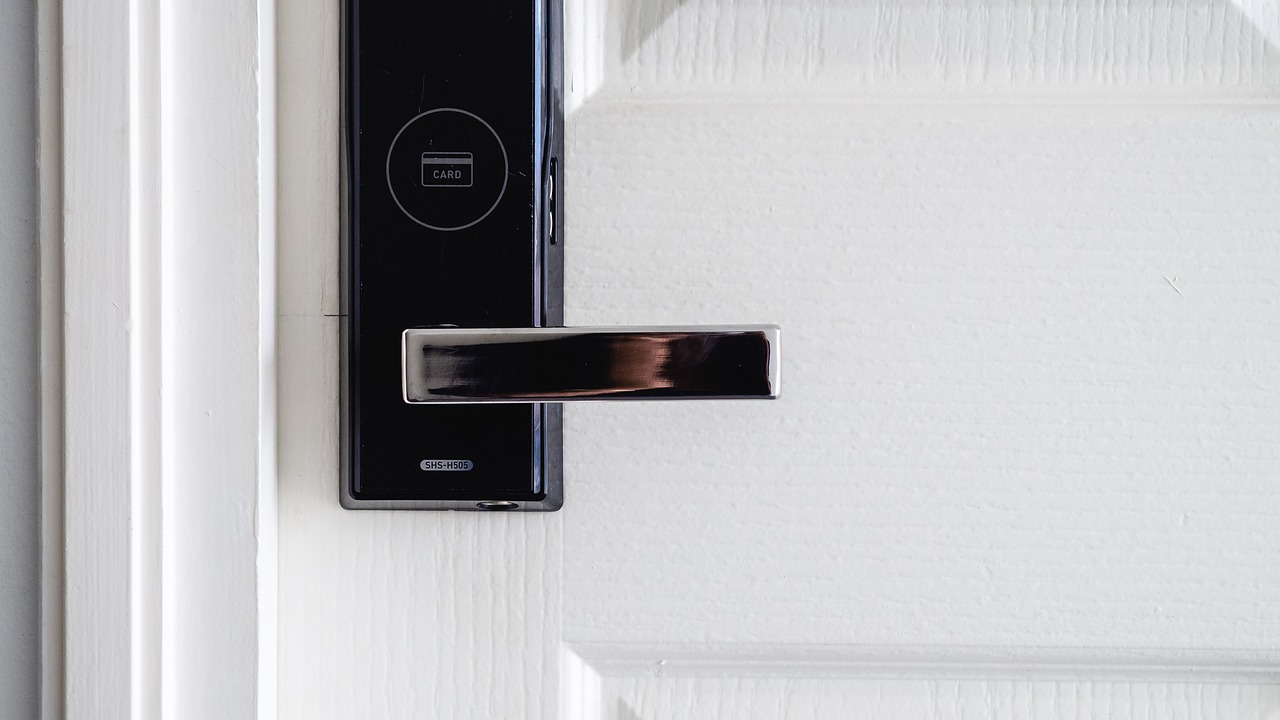
Incorporate modern trends and enhance security with options from DK Hardware:
- Smart Locks: Smart locks are becoming increasingly popular, allowing for remote access and heightened security. DK Hardware offers a selection of smart lock options to fit your style and security needs.
- Vintage and Custom Designs: For those who prefer a unique touch, DK Hardware also carries custom and vintage-inspired hardware options that bring added character to any room.
Interior Door Hardware for Different Rooms (Room-by-Room Guide)
Choosing the right interior door hardware is not just about style—it also depends on how each room is used. Different spaces in your home have different needs, so selecting the right hardware for interior doors can improve both functionality and comfort.
Here’s a simple room-by-room guide to help you make the best choice:
- Bedroom Doors:
Bedrooms need privacy and quiet. Use privacy locks or knobs that can be locked from the inside. Stylish and easy-to-use interior door hardware works best here. - Bathroom Doors:
Bathrooms require strong privacy features. Choose hardware with a secure locking system and moisture-resistant finishes for long-lasting performance. - Living Room & Hall Doors:
These areas don’t usually need locks. Passage knobs or handles are a great option as they allow easy access while maintaining a clean and simple look. - Closet Doors:
For closets, go with non-locking hardware like knobs or pulls. These are easy to use and perfect for spaces that don’t require security. - Home Office Doors:
If you need focus and privacy, choose hardware with a locking feature. This helps create a quiet and distraction-free workspace. - Interior Double Doors:
For larger openings, such as dining areas or entryways, interior double door hardware is the best choice. It provides both stability and a balanced look, often using a combination of active and dummy handles.
In simple terms, selecting the right hardware for interior doors depends on the function of each room. By matching the hardware to your needs, you can improve convenience, privacy, and overall home design.
Common Mistakes to Avoid When Choosing Interior Door Hardware
Choosing the right door hardware interior is important for both style and functionality. However, many people make simple mistakes that can lead to poor performance, mismatched design, or unnecessary replacements. Knowing what to avoid can help you choose the best interior door hardware for your home.
Here are some common mistakes to watch out for:
- Ignoring the Door Type:
Not all hardware works for every door. For example, interior sliding door hardware is very different from standard hinged door hardware. Choosing the wrong type can affect how smoothly the door operates. - Focusing Only on Looks:
While design matters, functionality is just as important. The best interior door hardware should offer both style and smooth performance. - Choosing the Wrong Function:
Using passage hardware where privacy is needed (like bathrooms or bedrooms) can be inconvenient. Always match the function with the room’s purpose. - Not Checking Measurements:
Incorrect sizing can lead to installation problems or poor fitting. Always measure your door thickness and borehole size before buying door hardware interior. - Overlooking Material Quality:
Low-quality materials may wear out quickly. Investing in durable hardware ensures long-term use and better value. - Ignoring Finish Compatibility:
Mixing different finishes can make your interiors look uncoordinated. Choose hardware that matches your overall home style. - Skipping Ease of Installation:
Some hardware can be difficult to install without proper tools or experience. Make sure you choose options that suit your installation needs.
In simple terms, avoiding these common mistakes will help you select the right interior sliding door hardware and other options that offer both durability and style. A thoughtful choice ensures your doors work smoothly and enhance the overall look of your space.
Conclusion
Choosing interior door hardware that balances style, and function can enhance your home’s design and usability. By considering factors like door specifications, style, and room function, you can make informed choices. With DK Hardware’s wide range of products, you’ll find hardware that meets your needs and complements your space. Take the time to explore and choose hardware that reflects your style while serving your practical needs.