
Introduction: Why Clean Water Matters
While clean water is something that most people do not think about unless they have an issue, whether it is the taste, smell, or possible impurities, having good drinking water is important not only for your health, but it is also important for your comfort.
A water filtration system is designed to help filter impurities from the water, whether they are chlorine, sediment, heavy metals, or bad bacteria. With the awareness of the importance of water, many people are now looking at good filtration systems for their water.
What Is a Water Filtration System?
A water filtration system refers to an apparatus or configuration that functions to purify water through the removal of unwanted material. These systems employ various methods of water filtration, including the use of carbon filters, reverse osmosis, or UV systems.
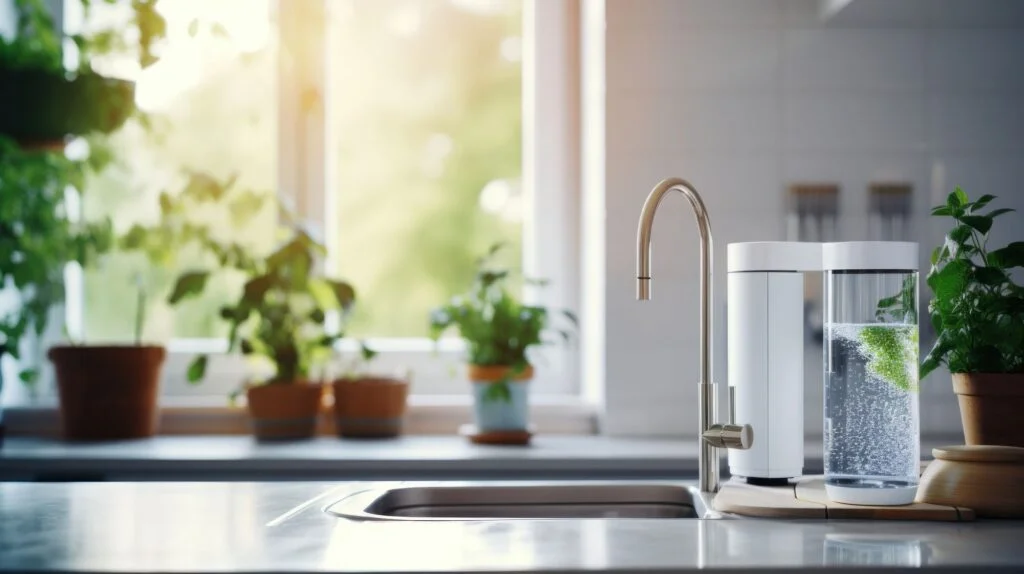
Depending on your needs, the water filtration systems may be installed in an individual location, such as your kitchen sink, or the entire house.
Key functions include:
- Removing contaminants
- Improving taste and smell
- Making water safer for drinking and cooking
We all know how important clean, safe drinking water is for our health. But did you know that your tap water may contain impurities that can affect your health and your home? Whether you’re concerned about chlorine, lead, or bacteria, choosing the right water filtration system can make a huge difference. In this guide, we’ll walk you through everything you need to know to choose the best water filtration system for your home. Moreover, we’ll show you the best options available right here at DK Hardware, so you can make an informed decision for your family’s health and safety.
Understand Your Water Quality Needs
Why Knowing Your Water Quality Matters
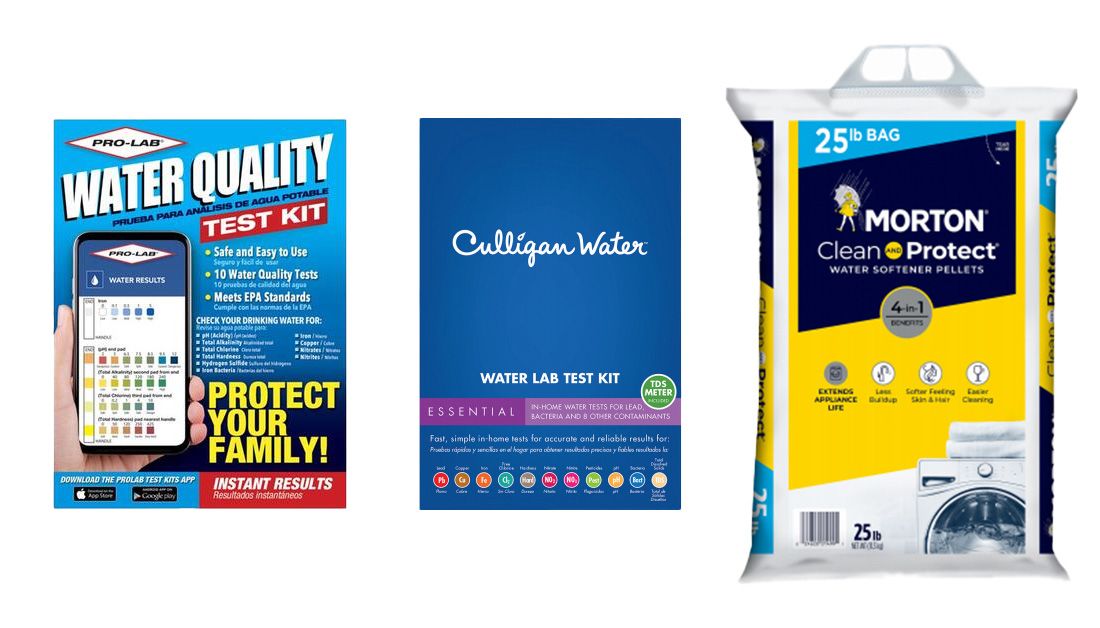
Before choosing a filtration system, it’s important to understand what’s in your water. Water quality can vary based on whether you have municipal water, well water, or a different water source. Knowing the specific contaminants in your water is key to selecting the right filter.
- Contaminants: Common water impurities include chlorine, lead, mercury, pesticides, bacteria, and fluoride. If you’re unsure what’s in your water, a water testing kit can help you pinpoint the problem.
- Hard Water: If your water is “hard,” meaning it contains high levels of calcium and magnesium, it can cause scaling in pipes and appliances. Systems like reverse osmosis or water softeners can help with this.
Types of Water Filtration Systems
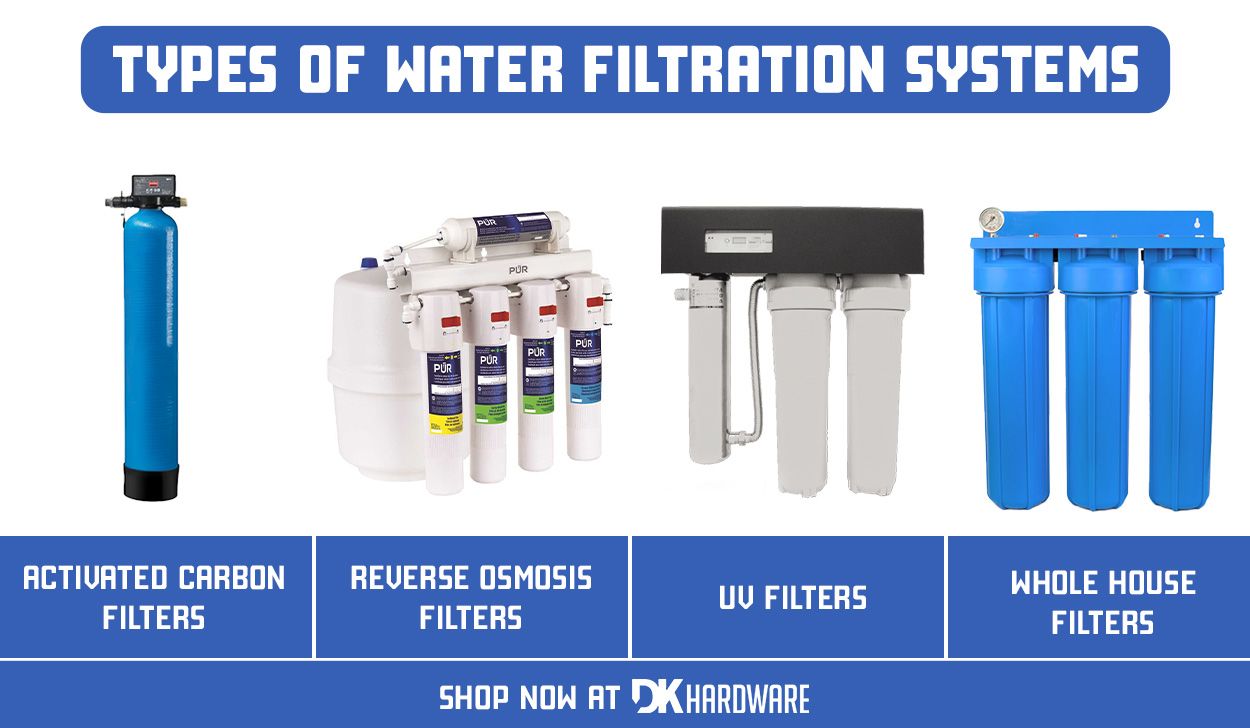
Understanding the different types of water filtration systems helps you choose the right one for your home. Below are the four main types, as shown in the image:
- Activated Carbon Filters
Activated carbon filters are one of the most common filtration systems used in water. The way they function is by using carbon to trap all the impurities.
Best For:
- Removes Chlorine
- Improves Taste & Odor
- Removes Organic Chemicals
These filters are very simple and are great for general use.
A good example is the Reading Technologies REPLACEMENT ACTIVATED CARBON FILTER, which helps maintain clean and fresh-tasting water by effectively removing impurities.
- Reverse Osmosis Filters
A RO water filtration system uses a special membrane to remove very fine contaminants from water.
Best for:
- Removing heavy metals like lead
- Eliminating dissolved salts
- Producing highly purified drinking water
Reverse osmosis systems are ideal if you want the highest level of purification for drinking and cooking.
You can consider the 3M 3MRO301 Under Sink Reverse Osmosis Water Filter System White, a compact and efficient solution for purified drinking water at home.
3.UV Filters
UV (Ultraviolet) filters use light to kill bacteria and viruses in water. Instead of removing particles, they disinfect the water.
Best for:
- Killing microorganisms
- Adding an extra layer of safety
- Homes with biological contamination concerns
UV filters are usually combined with other systems to create a complete home water filtration system.
- Whole House Filters
A full home water filtration system is installed at the main water supply and filters all the water entering your home.
Best for:
- Providing clean water from every tap
- Protecting appliances and plumbing
- Improving water for bathing and laundry
This is the best option if you want a complete solution rather than filtering water at a single point.
The Culligan WH-S200-C Whole House Water Filter System is a reliable choice for filtering water throughout your entire home.
Consider Your Home’s Size and Water Usage
Choosing a Water Filtration System Based on Your Home’s Needs
Think about how much water your household uses before you decide on a filtration system. Here’s what to consider:
- Family Size: Larger households will need a higher-capacity filter. If you have multiple bathrooms or a large kitchen, you’ll want a filter that can handle the demand.
- Water Consumption: If you have a swimming pool, large garden, or use water for other purposes like irrigation, you’ll need a more robust system. A whole-house filtration system might be the right choice for high-demand homes.
- Flow Rate: The flow rate of your system determines how much water can be filtered at once. If you have multiple faucets or showers running at the same time, consider a system with a high flow rate to ensure you don’t lose water pressure.
- Maintenance: Some systems, such as reverse osmosis, require more frequent filter changes. Make sure to pick a system that fits your lifestyle and maintenance preferences.

Budget and Long-Term Costs
Choosing a Water Filter That Fits Your Budget
When purchasing a water filter, think about both the initial cost and ongoing expenses.
- Upfront Cost: Systems like reverse osmosis and whole-house filters tend to have higher upfront costs, but they provide more comprehensive filtration. If you want a system that handles everything, be prepared for a higher investment.
- Ongoing Costs: Most filtration systems require periodic filter replacements. Some are more affordable to maintain than others. For example, activated carbon filters may need to be replaced every few months, while RO filters can last a year or more.
- Energy Efficiency: Some filtration systems, like UV filters, use less electricity, which can save you money in the long run. Consider the system’s energy use when calculating overall costs.

Certifications and Quality Assurance
Ensure the Water Filter Meets Health Standards
It’s crucial to choose a filtration system that’s certified to meet health and safety standards. Here’s what to look for:
- NSF/ANSI Certification: This certification ensures the system has been tested to meet specific performance and safety standards. Look for filters with NSF/ANSI certification to ensure you’re getting a reliable product.
- Manufacturer Warranty: A good warranty indicates the manufacturer stands behind their product. If something goes wrong, you’ll have the support you need.

User Reviews and Testimonials
What Others Are Saying About Water Filtration Systems
Customer reviews are a great way to gauge the effectiveness of a product. Here’s why you should read reviews before making your decision:
- Real-Life Experiences: Reading feedback from other homeowners who’ve used the system can give you insights into the product’s performance, longevity, and ease of use.
- Look for Pros and Cons: Pay attention to any recurring issues mentioned in reviews—such as the need for frequent maintenance or any issues with water flow. Positive reviews often highlight ease of installation, water quality improvement, and value for money.
Installation and Maintenance Tips
Installing and Maintaining Your Water Filtration System
Once you’ve chosen your system, it’s time to think about installation and maintenance. Here’s what you need to know:
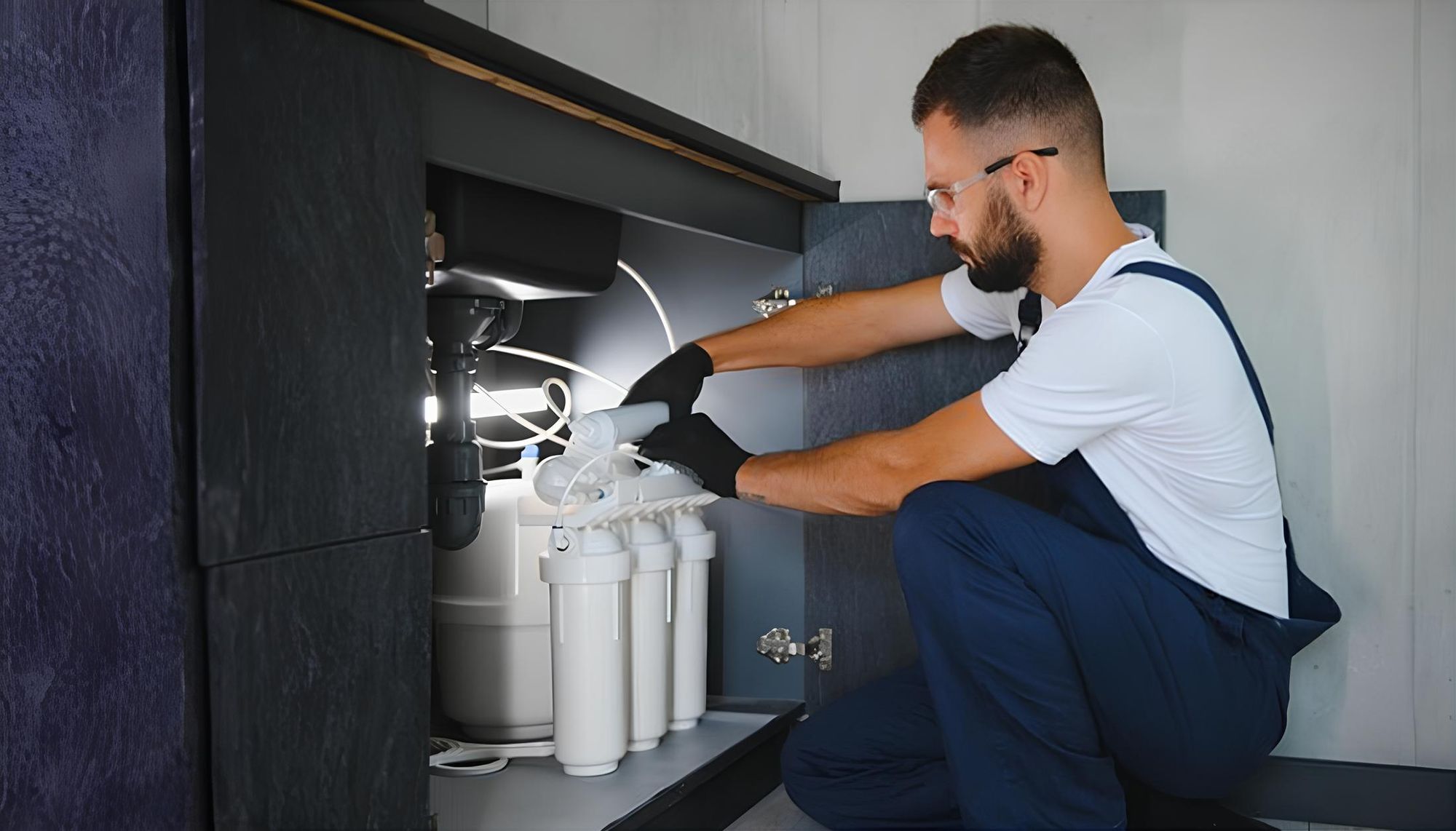
- DIY vs. Professional Installation: Some systems, like pitcher filters and under-sink units, can be easily installed by yourself. For more complex systems like whole-house filters, you may want to hire a professional plumber to ensure everything is set up correctly.
- Filter Replacement: Regular filter changes are essential to keeping your system working at its best. Be sure to follow the recommended replacement schedule for your system to avoid clogging and reduced performance.
You may also like to read : Lawn Watering Guide: Best Time and Schedule
Common Mistakes to Avoid
Avoid these common errors when choosing or maintaining filtration systems for water:
Ignoring Water Testing
Always test your water before buying a system.
Choosing the Wrong System
Not all systems remove the same contaminants.
Skipping Maintenance
Neglecting filter replacement reduces effectiveness.
Improper Installation
Poor installation can lead to leaks or inefficiency.
Final Thoughts
A water filtration system is no longer a luxury, it’s a necessity for modern homes. Whether you choose a simple under-sink unit or a full home water filtration system, the goal is the same: clean, safe, and great-tasting water.
By understanding your needs and exploring options like RO water filtration systems or whole-house setups, you can make a smart investment in your family’s health.