Winter Preparedness for Home & Business

The first freeze doesn’t wait for you to be ready. Stock your winter supplies and cold-weather gear before the season turns.
Stock your winter supplies before the first storm hits.

$20 OFF

on Orders of $237+

LABORDAY20

Coupon Copied

$30 OFF

on Orders of $299+

LABORDAY30

Coupon Copied

$45 OFF

on Orders of $379+

LABORDAY45

Coupon Copied

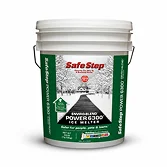
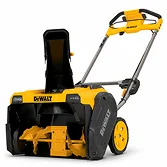
By the time a winter storm warning goes up, the ice melt aisle is picked over and the snow blowers are backordered. Our winter supplies cover the whole season, from ice melting compounds and snow blowers to insulated gloves, portable heaters, and the gear that gets people and vehicles moving again after a storm.

Volume Pricing
Net 30 For Qualified Businesses
Commercial-Grade Stock
Hard-to-Find Specialty Products
Shipping to Remote Jobsites

Winter Preparedness Products

Stock up before the first flakes fall: snow removal equipment and ice melt products to clear the way fast, plus the cold-weather gear your crew needs to work safely once temperatures drop.

Winter Recovery Products

The work isn’t over when the snow stops. These winter emergency supplies clear accumulated snow and ice, keep vehicles running, and get people moving safely once the storm passes.

Keeping Crews and Vehicles Moving Through a Winter Storm

Clearing snow is half the job. The other half is people and equipment that still have to get somewhere.

  • Traction underfoot. Foot traction covers pull on over work boots and grip packed snow and ice that a lug sole slides off. Cheaper than a lost-time injury and faster than salting every surface someone might cross.
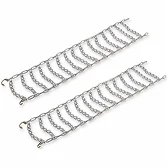
  • Traction under tires. Tire chains get service vehicles up unplowed drives and grades. Fit them to the tire size, and carry them before the storm rather than trying to buy them during one.
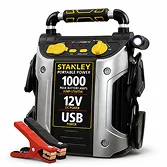
  • Cold batteries. Cold cuts battery output while making the engine harder to turn over, which is why a truck that started fine in October won’t in January. Keep battery charging equipment on hand so a dead battery isn’t a service call.
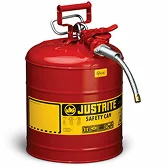
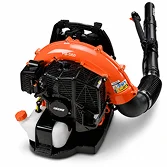
  • Fuel on hand. Snow blowers, backpack blowers, and heaters all run dry at the worst time. Keep fuel in approved gas cans, stored outside living and work spaces, and stabilized if it’s been sitting since last winter.
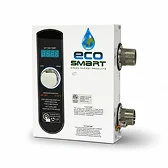
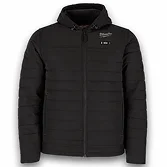
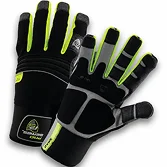
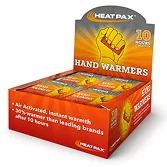
  • A warm entrance and workspace. Put a heavy entrance mat at every exterior door, long enough for three or four steps before the bare floor, or slush just moves inside. For unheated docks and garages, a portable heater fixes the space while insulated jackets, gloves, and hand warmers fix the person.
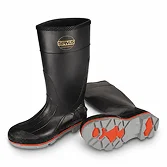
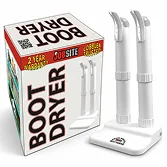
  • Dry boots. Wet boots on day two are how a crew ends up cold no matter what else they wear. Boot dryers turn overnight into dry gear by the morning shift.

Winter Safety Rules to Keep in Mind

Heaters and stored fuel cause most winter property fires, and the mistakes behind them are consistent.

  • Give heaters clear space. Standard fire safety guidance is a three-foot perimeter around any portable heater, clear of pallets, boxes, tarps, furniture, and anything else that burns.
  • Plug electric heaters straight into a wall outlet. Not an extension cord, not a power strip. Heaters draw more current than most cords are rated to carry, and the cord overheats before the breaker trips.
  • Ventilate any fuel-burning heater. Kerosene and propane heaters produce carbon monoxide, which you can’t see or smell. Follow the manufacturer’s ventilation requirement, and never run one in a closed space to warm it up faster.
  • Never leave a heater running unattended. Shut it off at the end of the shift, and never run one overnight in an unoccupied space.
  • Store fuel in approved containers, outside. Keep gas cans away from heaters, water heaters, and any other ignition source.
  • Take shorter steps on ice. Shorter, slower strides keep your weight over your feet. Most winter falls happen crossing a parking lot, not doing the actual work.

What to Do After a Winter Storm?

  • Clear snow, ice, and debris. Remove leftover snow, ice, and storm debris from walkways, driveways, and outdoor areas, and clear gutters, downspouts, and drainage paths so meltwater flows away instead of refreezing.
  • Inspect for winter damage. Check the roof for damaged or missing shingles and flashing, look for cracks in driveways and walkways, and check doors and windows for drafts or failed seals.
  • Check for water and moisture damage. Look for leaks, dampness, or mold in basements, attics, and crawl spaces, and inspect plumbing for damage from freezing.
  • Restore your vehicles. Check tire pressure and wiper blades, refill washer fluid, and check battery condition after extended cold.

Why Shop Winter Weather Supplies From DK Hardware?

One order instead of four. Ice melt, snow removal equipment, cold-weather PPE, tire chains, and entrance matting sit in one place, so a seasonal stock-up isn’t split across a landscape supplier, a safety distributor, and whatever the hardware store has left. Order the consumables by volume, and approved accounts invoice now and pay in 30, so a whole season’s stock doesn’t land on one month’s cash. There’s a US-based team that knows the season if you need help sizing an order before the storm.

Explore More : Hurricane Supplies for Homes and Businesses

Winter Preparedness FAQs

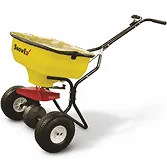
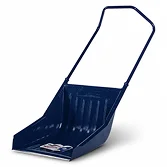
Think of it as three jobs. Clear the ground (ice melting compounds, a spreader, a snow blower or pusher), keep your people warm and upright (jackets, cold temperature gloves, hand warmers, foot traction covers), and keep vehicles and equipment running (battery charging, fuel cans, tire chains). Get it in before the first storm, since ice melt and snow blowers are always the first things gone.


Start with the openings. Replace worn weatherstripping on doors and windows so cold air and heating costs stay where they belong. Then work outward: keep gutters and drains clear so meltwater flows away instead of refreezing, put entrance mats at every exterior door to stop slush getting inside, and keep walkways treated so ice never bonds to the surface.

It depends on what you’re keeping alive. A few essentials, a fridge, some lights, a furnace blower, run off a mid-size portable generator. A whole building needs something larger, sized to your circuits and wired in through a transfer switch. Size it to the load you actually need to hold, not the whole panel.

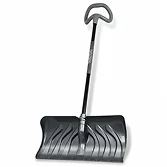
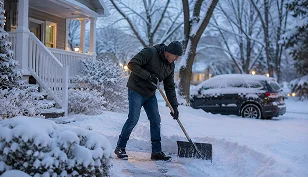
Clear the heavy accumulation first with a snow blower or pusher, working paths wide enough that drifting doesn’t close them overnight. Treat the cleared surface with ice melt before it refreezes, then follow with traction grit. Watch for downed power lines and ice-loaded branches on the way, and get entrance mats down before people start tracking slush inside.

Once paths are clear, work outward. Use a backpack blower for light powder on steps and around doorways, then check gutters, downspouts, and drains so meltwater runs off instead of refreezing. Inspect the roof, walkways, and door seals for damage, and check basements and crawl spaces for water intrusion before it turns into mold.

Before the forecast gives you a reason. Service your snow blower, test batteries, and get ice melt on the shelf in early autumn, while stock is full and prices are stable. Once the first storm is named, ice melting compounds and snow blowers clear out fast and stay out for weeks. Prep in October and you’re not competing with everyone else in December.

Know More About Winter Preparedness