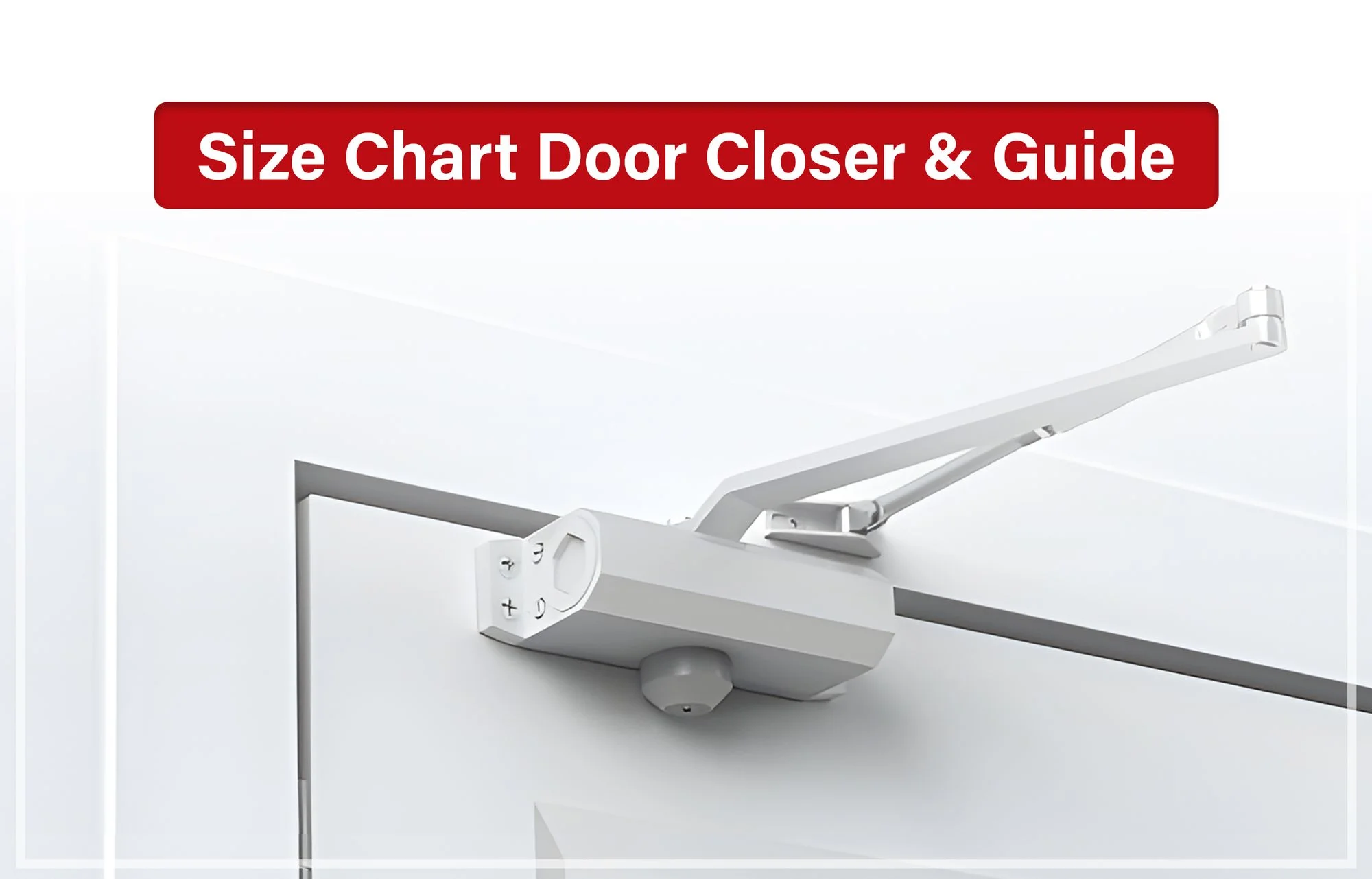

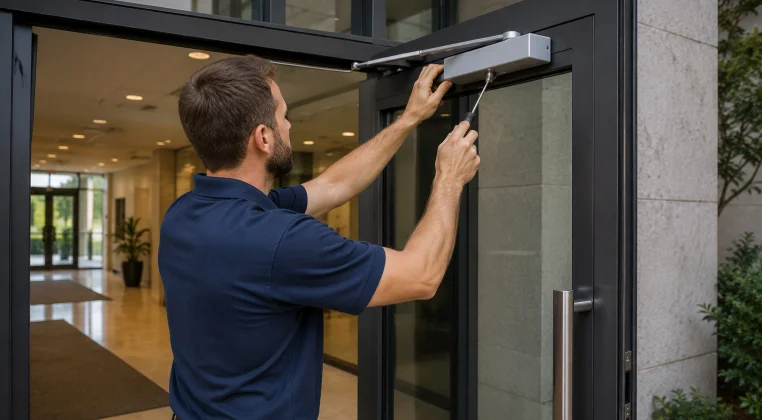
Most door closers come equipped with mechanisms to assure automatic closing and protect the door from opening too wide or being blown open by the wind. Although door closers are generally reliable and robust, they frequently require expert attention. They usually go unnoticed until they malfunction. These door closers seldom break, but they need proper lubrication to keep operating smoothly and adjustment to compensate for internal wear. However, even after trying these steps, the door fails to close correctly; it’s time to change the door closer.
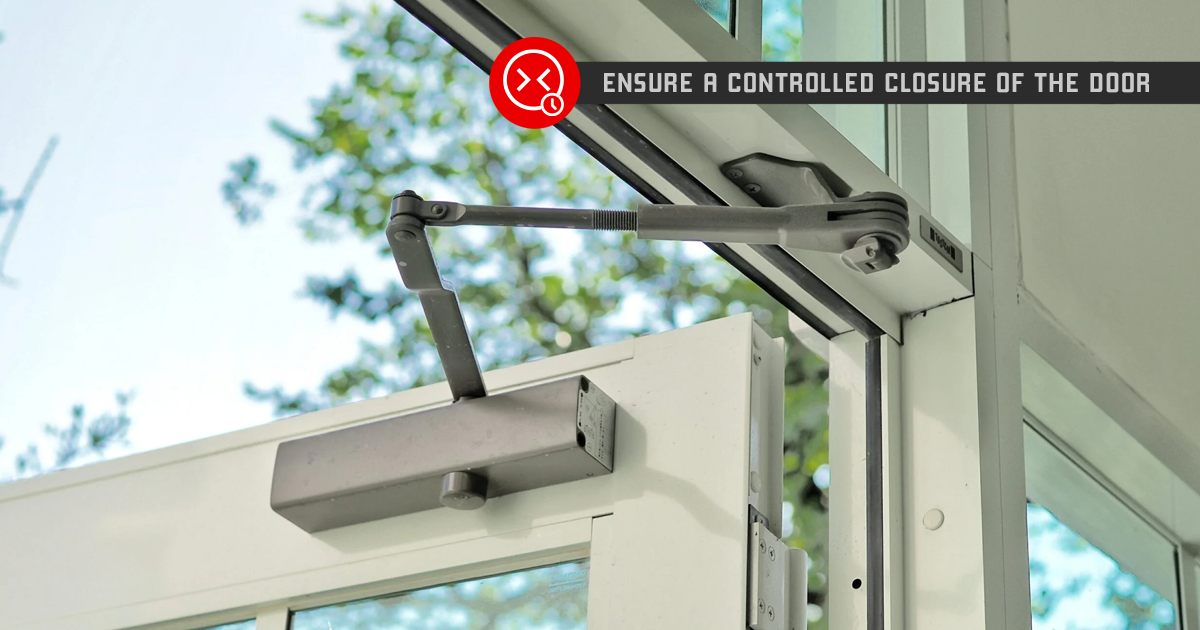
When to Install a New Commercial Door Closer?
- When there is no existing door closer present
- When the door closer is not working properly
- Your client has requested one, or you have added access control to the door
- The door is a fire door, and a door closer is required to pass inspection
When to Repair Your Commercial Door Closer?
- After installing a new lock or access control unit on the door, you may notice problems where the door does not close completely, or there are other functional issues with how the door allows the door to swing either when opening or closing.
- If the problem is an adjusting screw or a damaged arm which can be repaired, then do that. If the door fails to work correctly even after fixing, it is likely internal damage and needs to be replaced.
- If this was an existing installation, you might need to verify that the door closer was correctly installed in the first place. If this is the case, then you need to check out a few things:
- Position of the closer and the shoe
- Determine if the arm was properly preloaded
- There are hydraulic valves that need to be adjusted properly
When to Replace Your Commercial Door Closer?
- If you find hydraulic fluid on the closer, door, or the floor, it indicates that the door closer has reached the end of its service. If adjusting the valves has no apparent effect on the behavior of the door closer, it might indicate replacing it would be appropriate.
- If your door closer has suffered damage, it might be time to replace it.
- The door closer is supposed to control the door at all times. If it is not doing this task properly, you should upgrade to a better and more robust model.
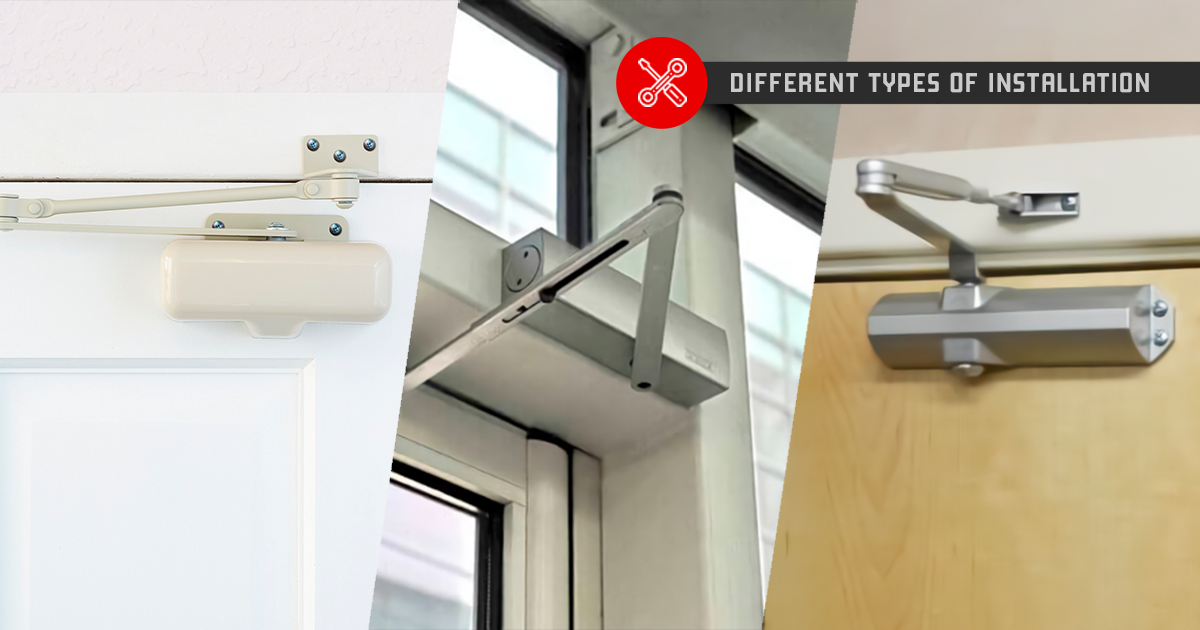
So, if you are thinking of getting heavy-duty commercial door closers for your home or office, DK Hardware is your go-to place. We have some top-class commercial door closers from top brands that will cater to your requirements.
- International Door Closers International Concealed Overhead Closer Body 105 HO: D2000-B-D220
- Norton Pull Side Regular Cam Action Door Closer Aluminum Finish: 2800ST 689
- LCN Series Sprayed Aluminum Grade 1 Surface Door Closer, Standard Track Arm, Right Hand: 4211T-STD RH AL 4210T
- CRL Black ANSI Grade 1 Spring Size 4 Surface Mount Door Closer: DC54BLK
- CRL Aluminum ANSI Grade 1 Spring Size 4 Surface Mount Door Closer: DC54A
Repair vs Replace: How to Make the Right Decision
Commercial door closers are designed to keep doors operating safely and smoothly, but over time they may start showing signs of wear. When problems appear, many people wonder whether they should repair the unit or replace it completely. The right decision depends on the condition of the closer, the severity of the problem, and the age of the system.
When Repairing the Door Closer Makes Sense
In many cases, minor issues with door closers commercial systems can be fixed without replacing the entire unit.
Repair May Be the Better Option If:
- The door closes too fast or too slowly
- Screws or arms are loose
- The closer only needs adjustment
- The hydraulic valves are not properly set
- The unit is still in good overall condition
Simple fixes like tightening hardware or learning how to adjust commercial door closers can often restore smooth door operation and improve performance.
When It’s Better to Replace the Door Closer
Sometimes repairs are no longer enough, especially when the closer has internal damage or heavy wear.
Replacement May Be Necessary If:
- Hydraulic fluid is leaking
- The closer no longer controls the door properly
- Adjustments no longer improve performance
- The closer body is damaged or cracked
- The door is used heavily every day
In these situations, upgrading to stronger commercial grade door closers can improve reliability, safety, and long-term durability.
Quick Comparison
Repair the Door Closer | Replace the Door Closer |
Minor adjustments needed | Major internal damage |
Loose arms or screws | Hydraulic fluid leakage |
Door closer still functions | Door closer completely fails |
Lower repair cost | Better long-term solution |
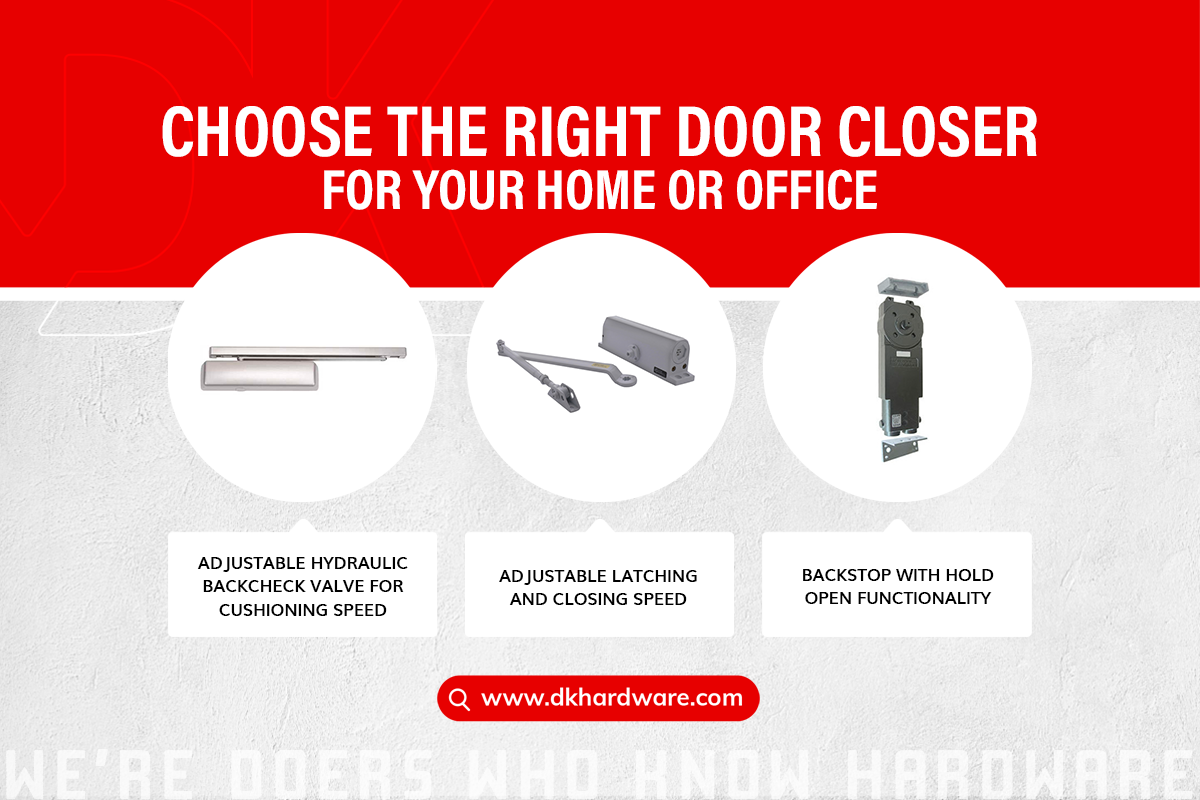
DK Hardware features a wide range of commercial door closers for closing and latching doors in a controlled operation. Click on any link on this blog to be redirected to some of the best options.
For any specific questions, feel free to reach out to us!
For quotation contact via email: sales@dkhardware.com or
Toll-Free: 877-509-8040